 Huggingface
 Modelscope
Easy
62.0%
Unified Embodied Synthesis with World Foundation Models
The first unified embodied synthesis model that bridges foundation image generation and embodied world modeling
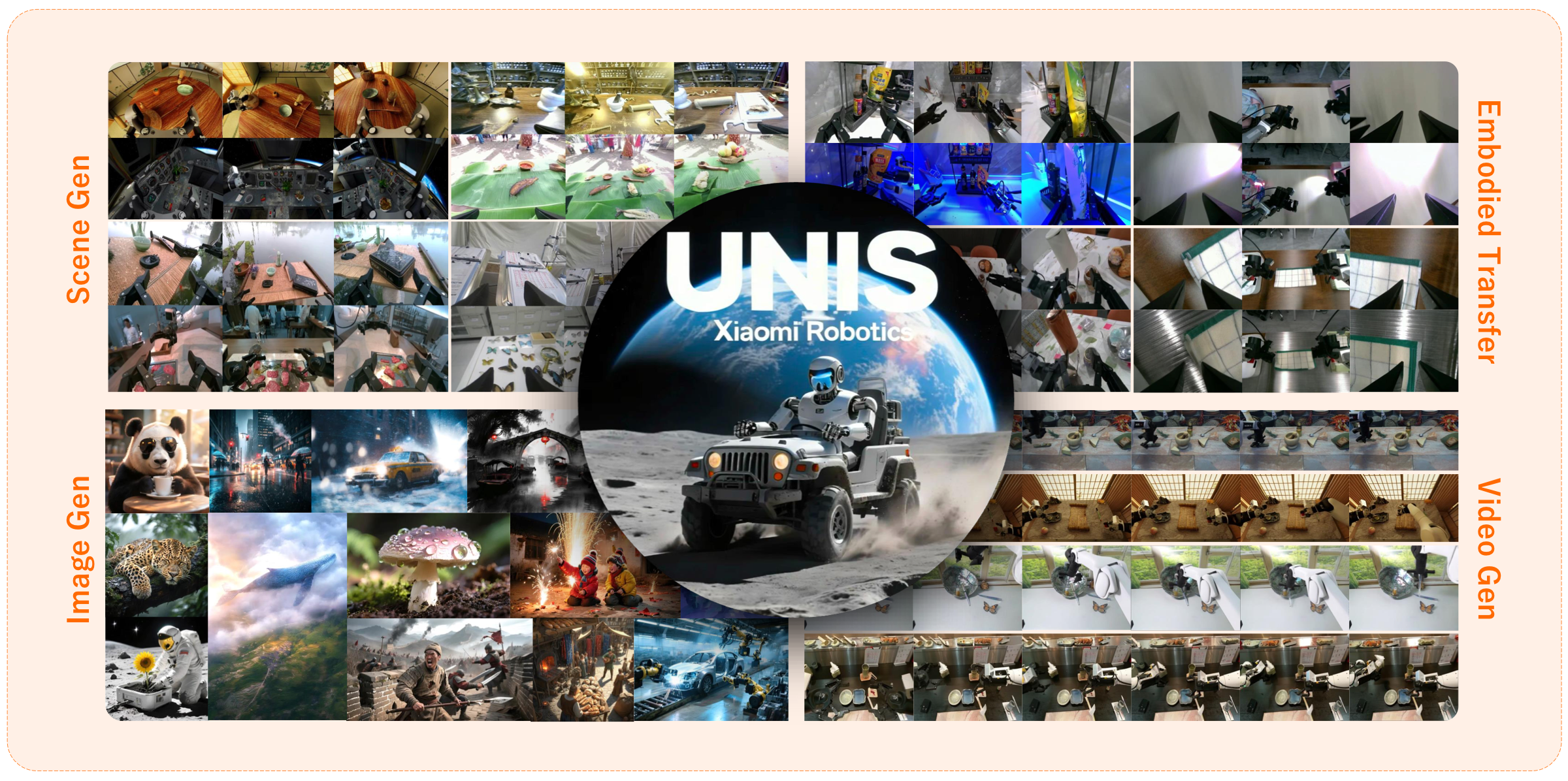
Xiaomi-Robotics-U0 is a 38B autoregressive world foundation model continually trained for embodied intelligence.
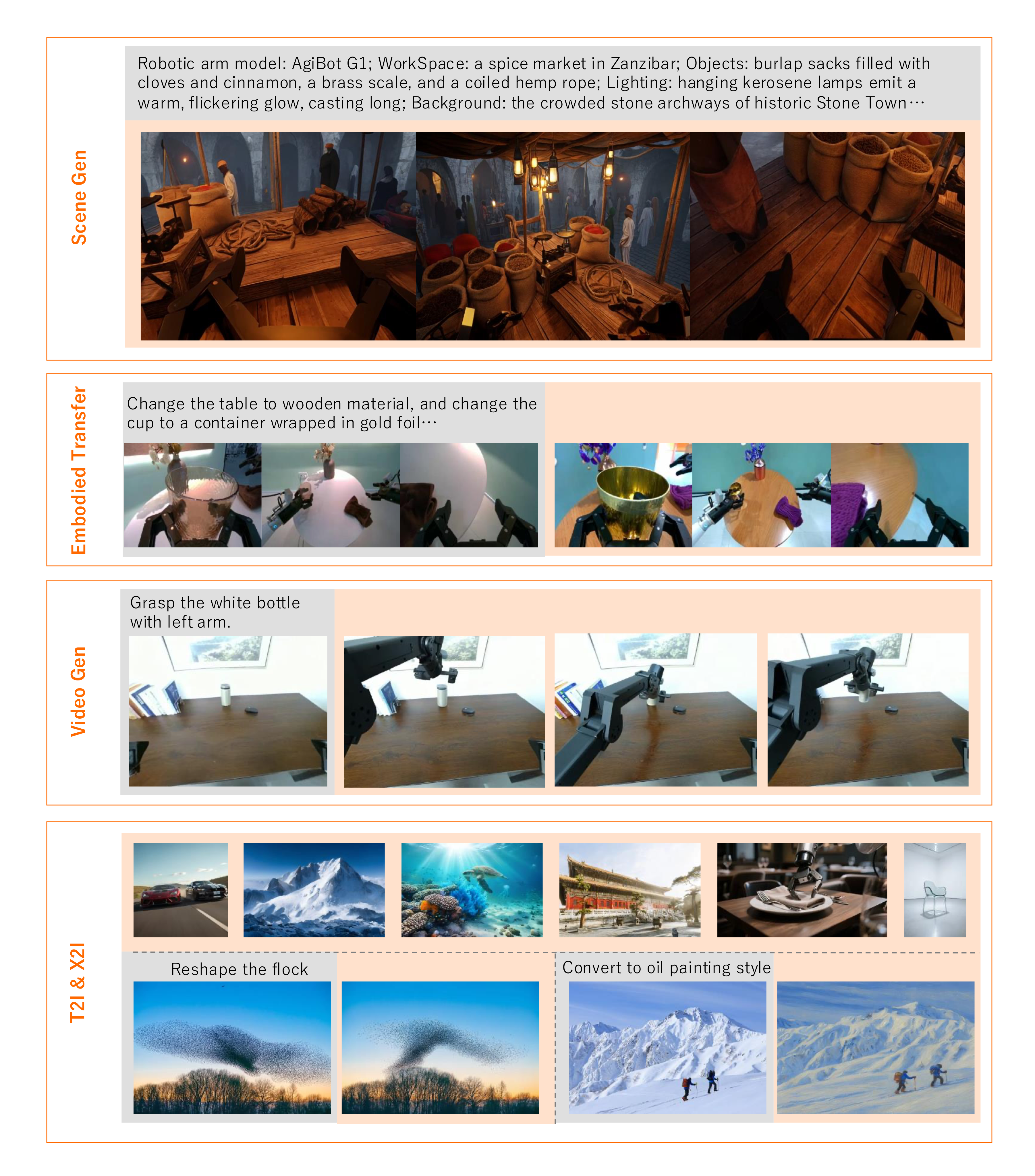
Unlike previous embodied world models trained solely on robot trajectories, Xiaomi-Robotics-U0 unifies the following within a single autoregressive framework.
By transferring the rich semantic knowledge of foundation image generation into robotics, Xiaomi-Robotics-U0 achieves state-of-the-art performance across both single-step and sequential embodied generation tasks while significantly improving downstream robot policies.
Xiaomi-Robotics-U0 unifies multimodal tokenization, embodied data training, and accelerated autoregressive inference into a single foundation model for robot-centric generation.
Xiaomi-Robotics-U0 is continually trained using two complementary stages.
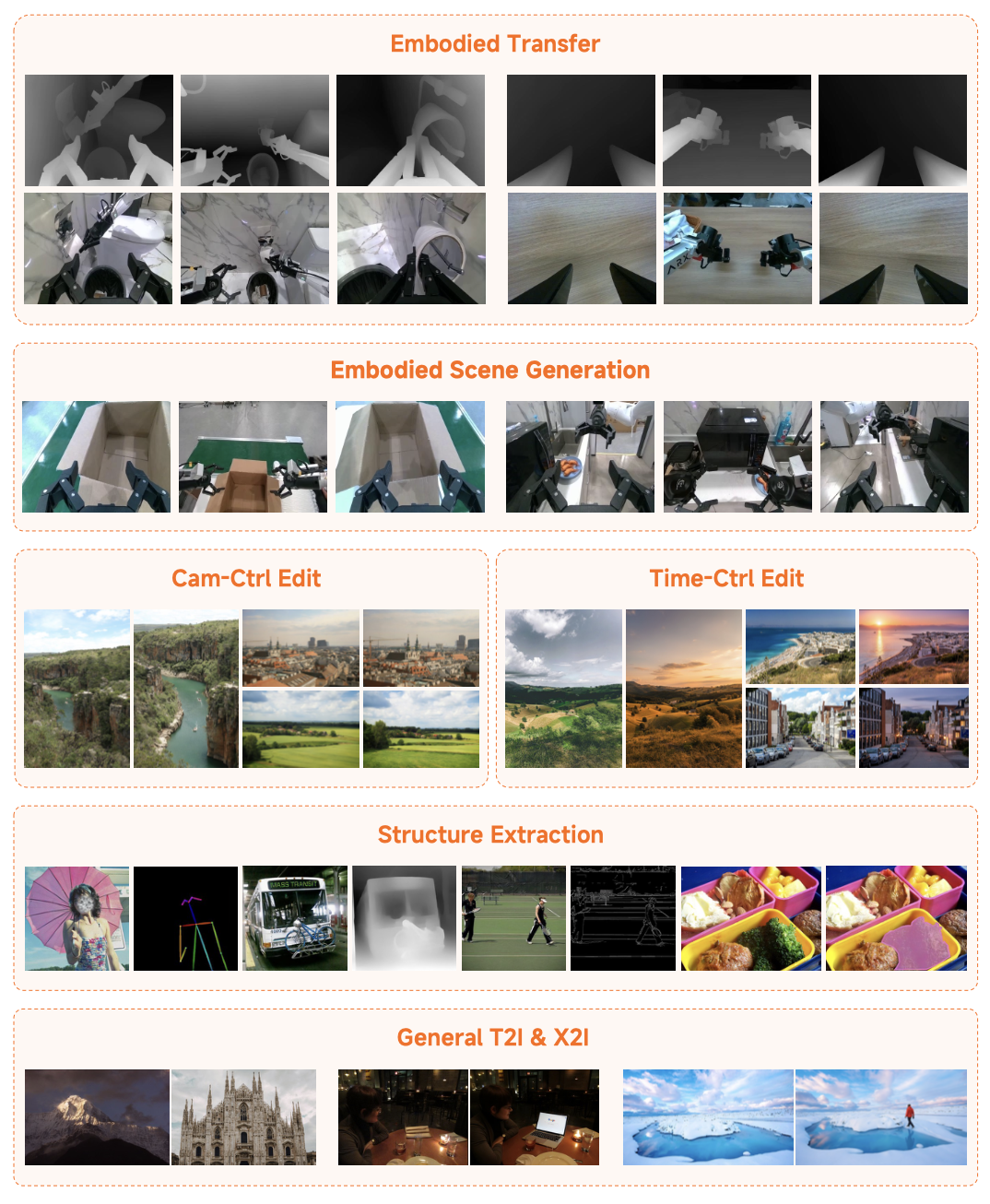
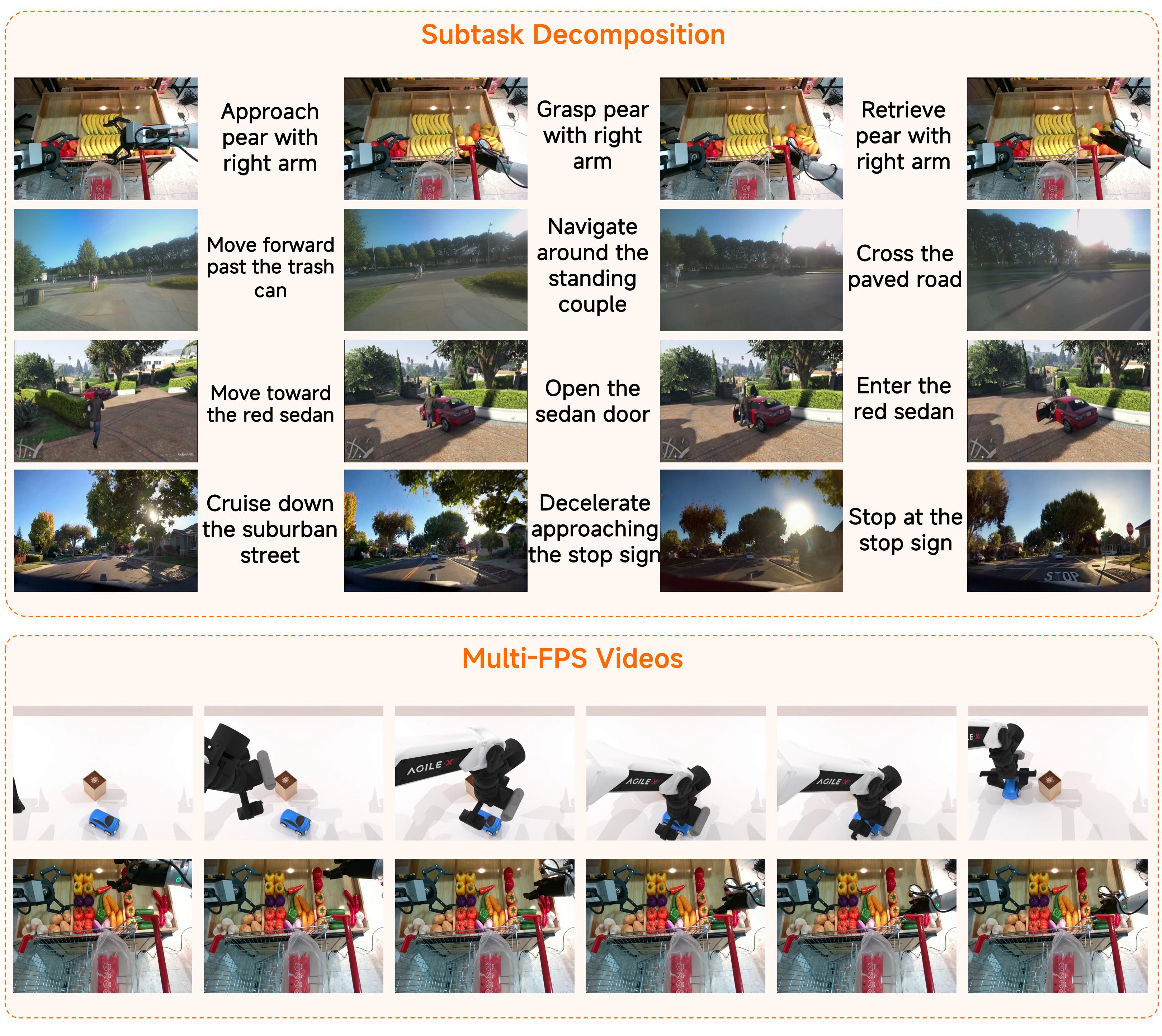
This unified training strategy preserves foundation generation capability while introducing robot-centric reasoning and interaction modeling.
Xiaomi-Robotics-U0 is built on a multimodal autoregressive architecture and uses IBQ as the image tokenizer, representing multiple modalities in the same space.
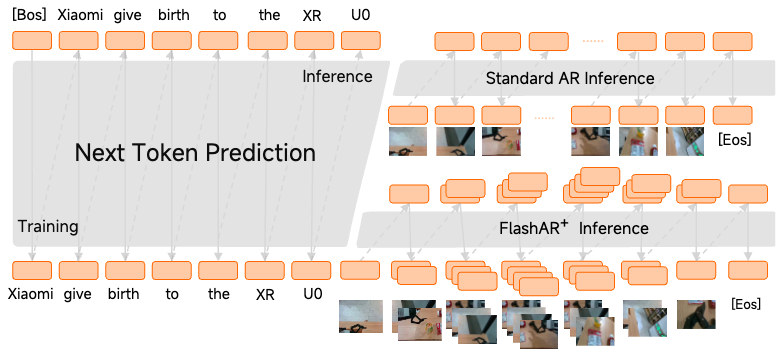
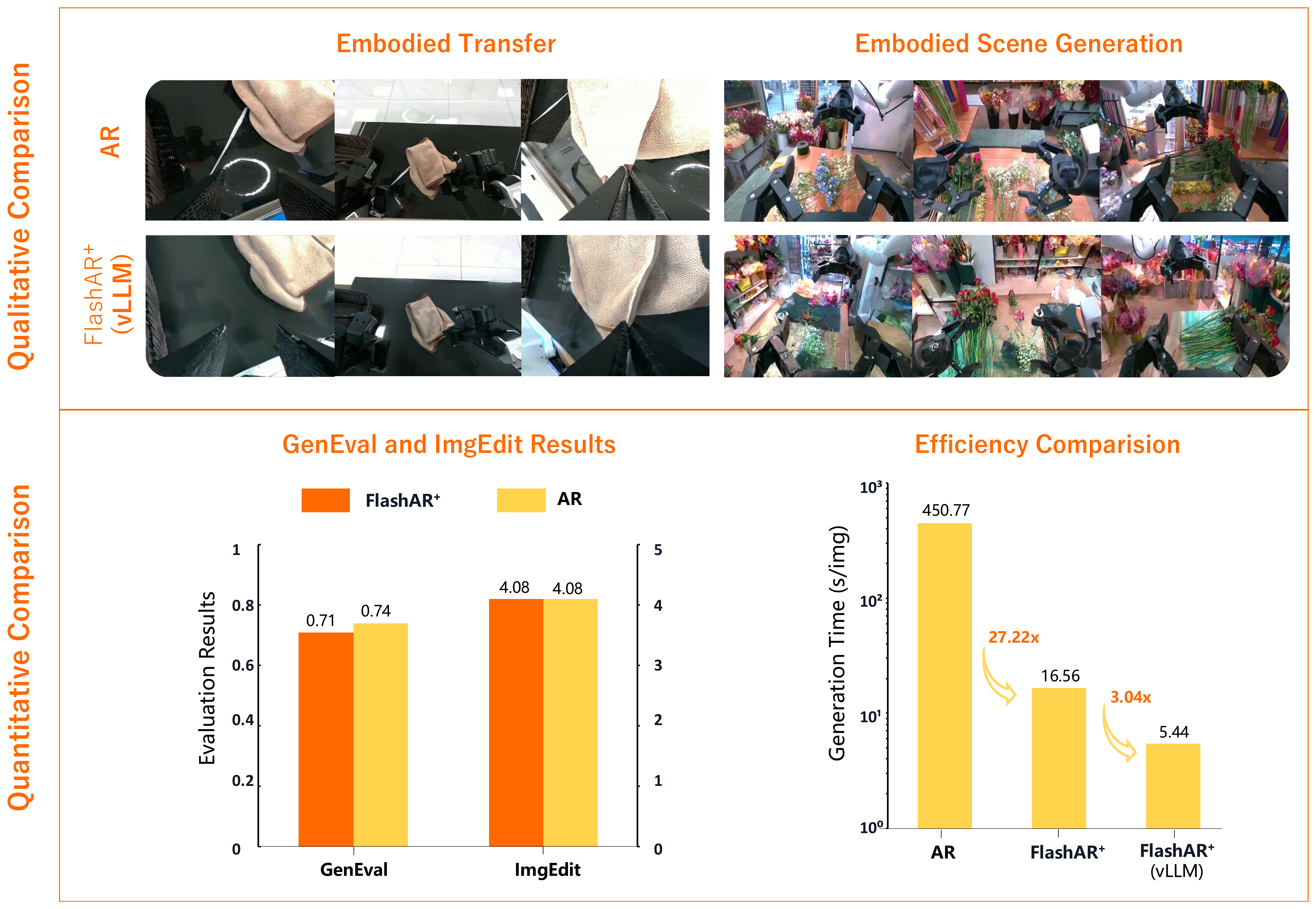
We propose FlashAR+, a high-speed inference acceleration scheme that extends FlashAR to X2I tasks. At inference time, FlashAR+ uses lightweight post-training and acceleration adaptation, then combines with vLLM to further improve efficiency. Generation efficiency increases by up to 82.9x, with native support for Anything-to-Image multi-reference image editing scenarios.
With diagonal-parallel decoding and vLLM paged KV-cache batch scheduling, 1024 * 1024 single-sample throughput improves from 450.77 seconds per image to 5.44 seconds per image, balancing high generation quality with engineering deployment speed.
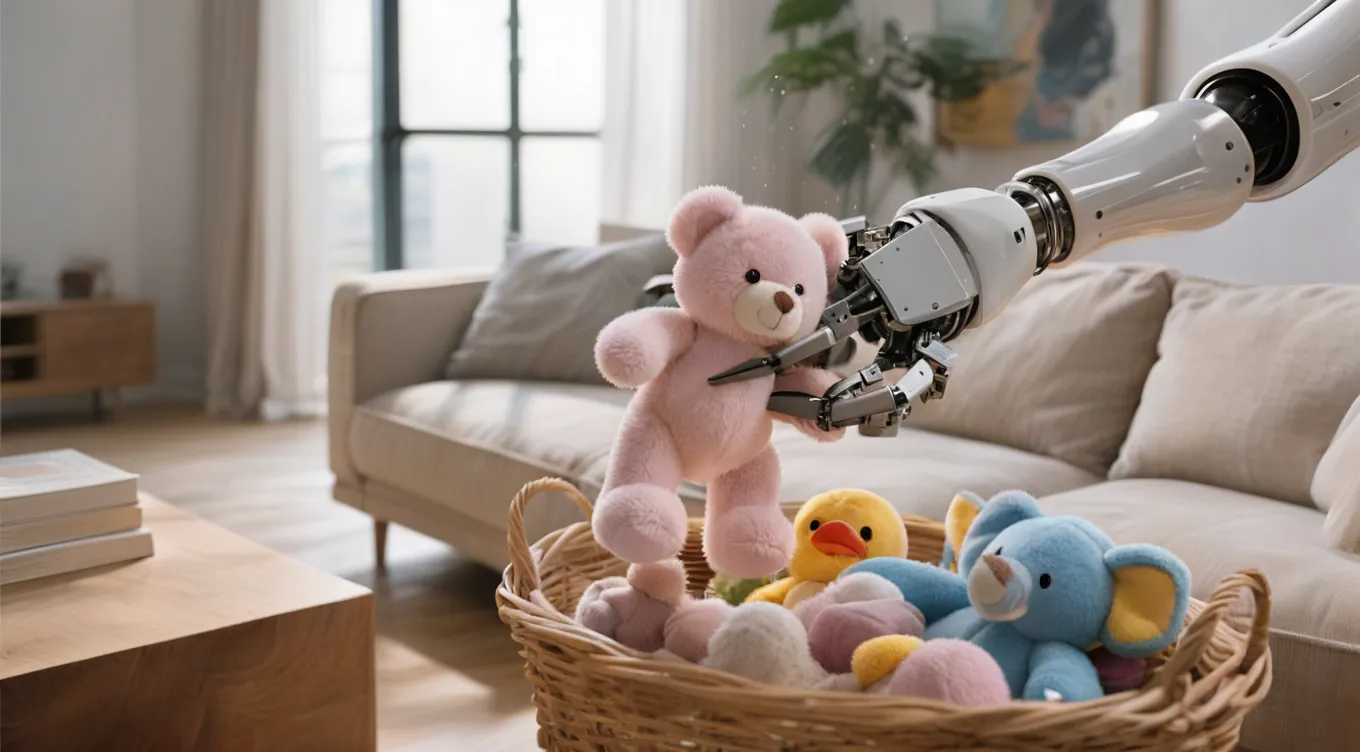
Across scene synthesis, controllable transfer, video rollout, and general image generation, the model turns language and visual context into scalable embodied data generation.
Generate physically plausible multi-view robot observations directly from language.

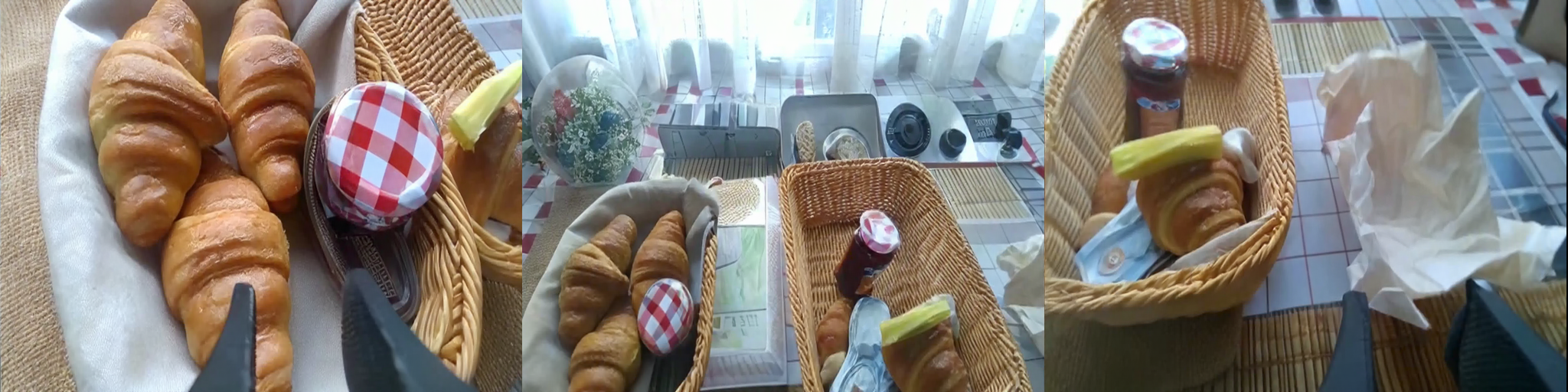
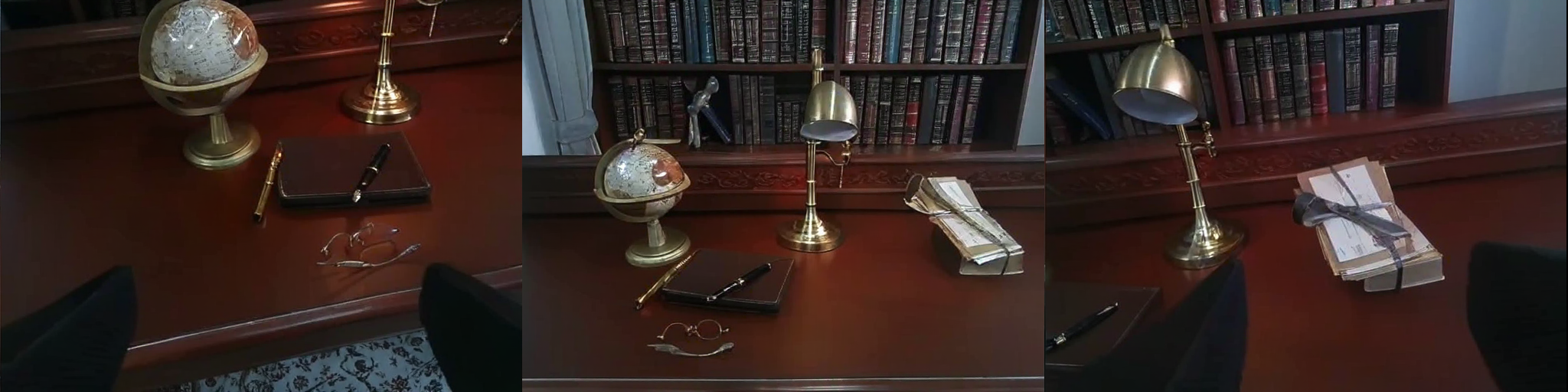

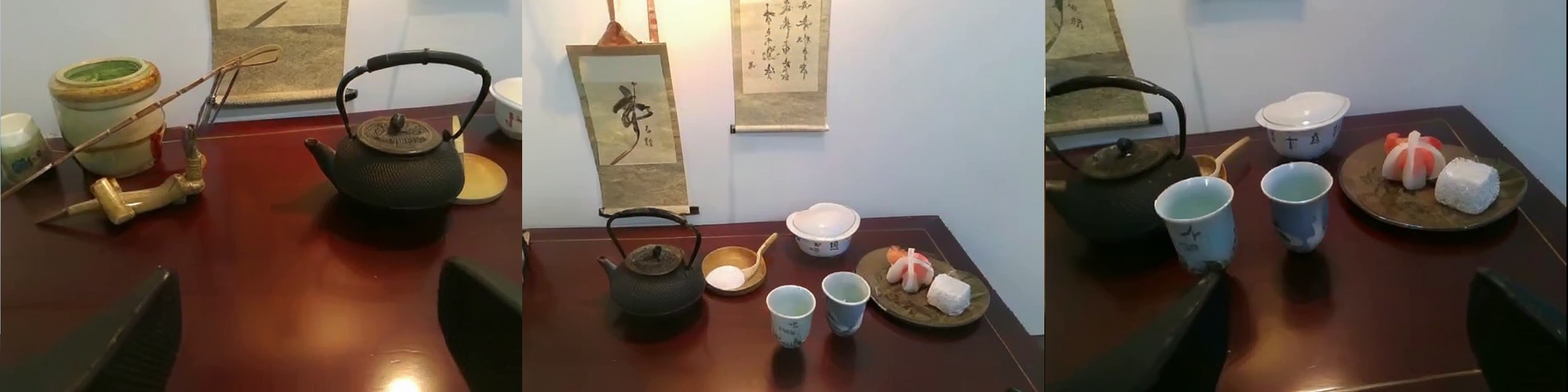
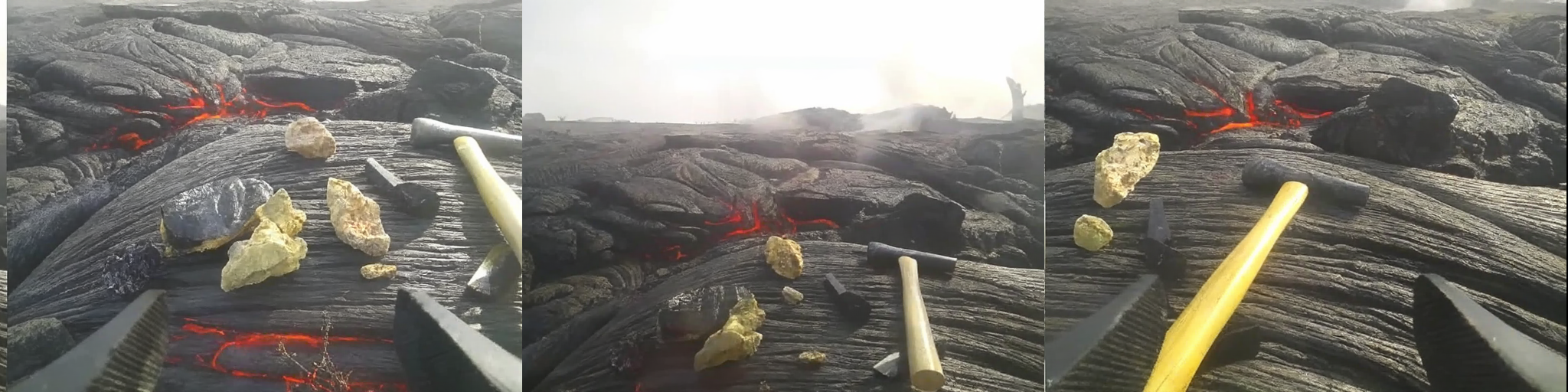
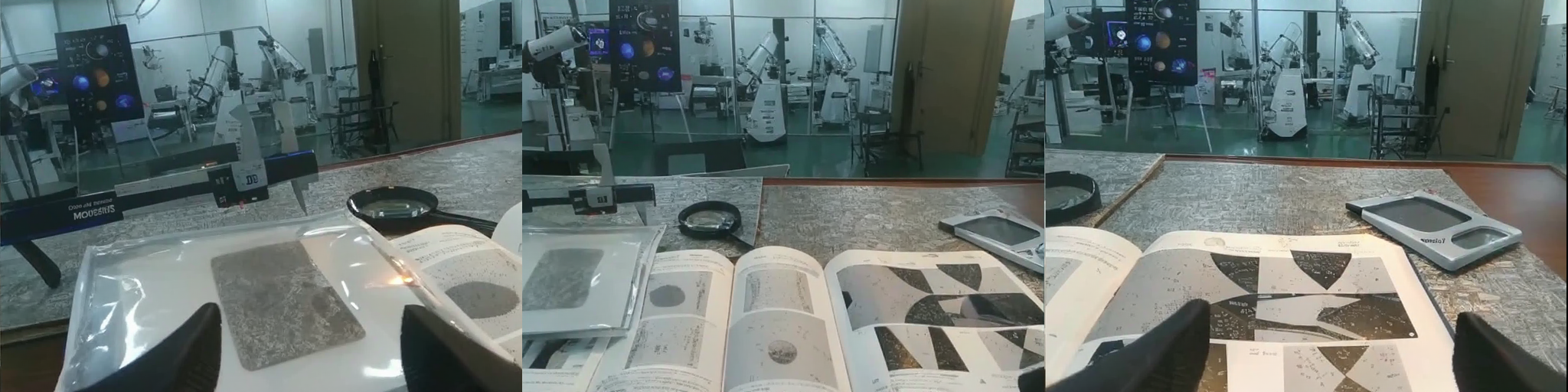
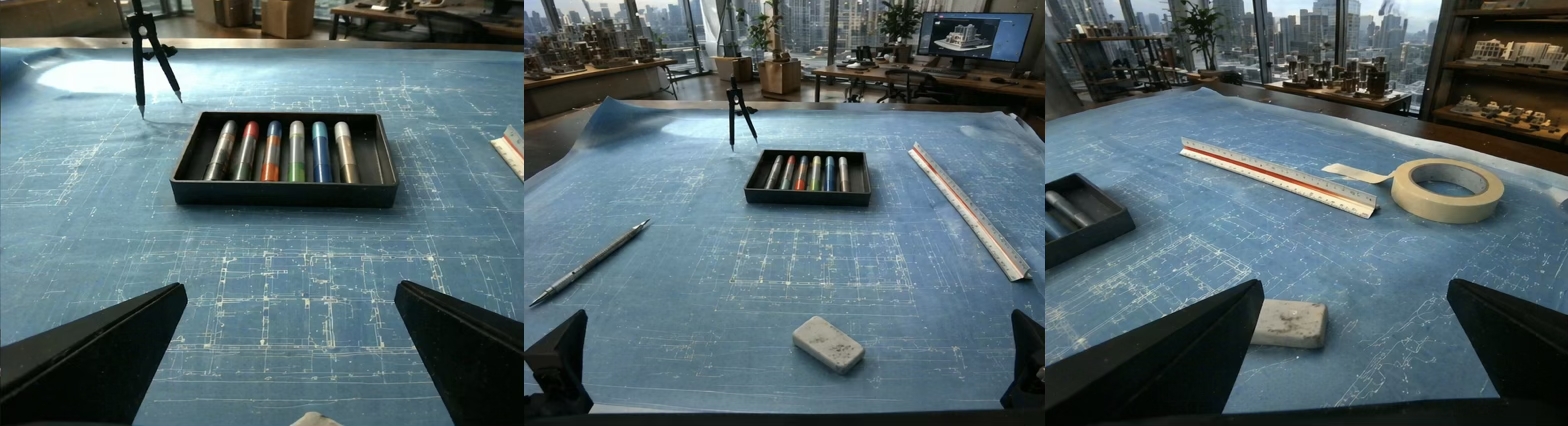
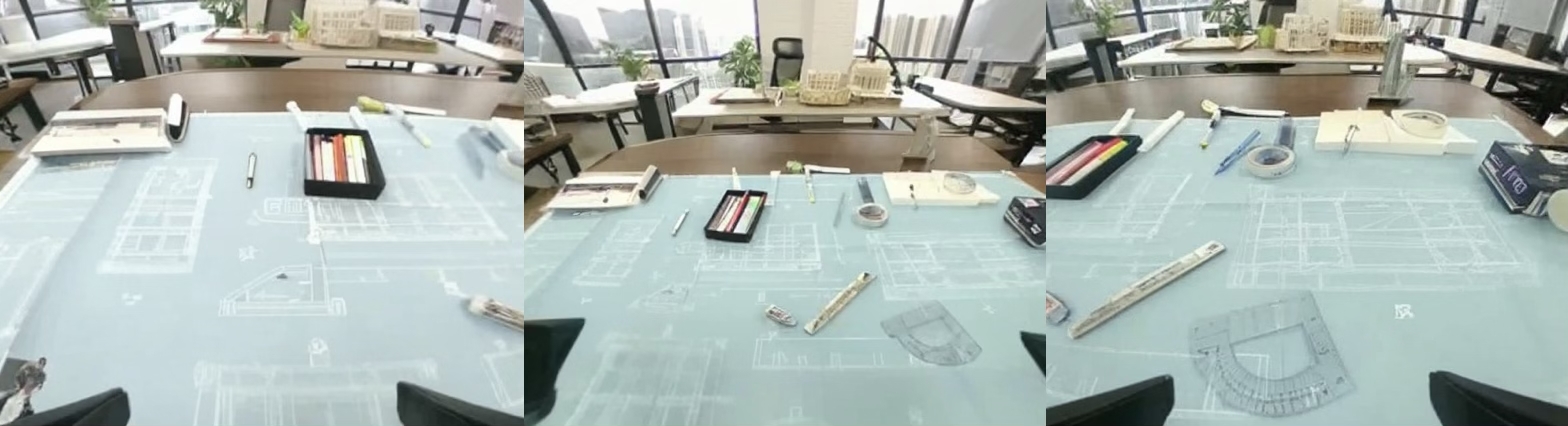
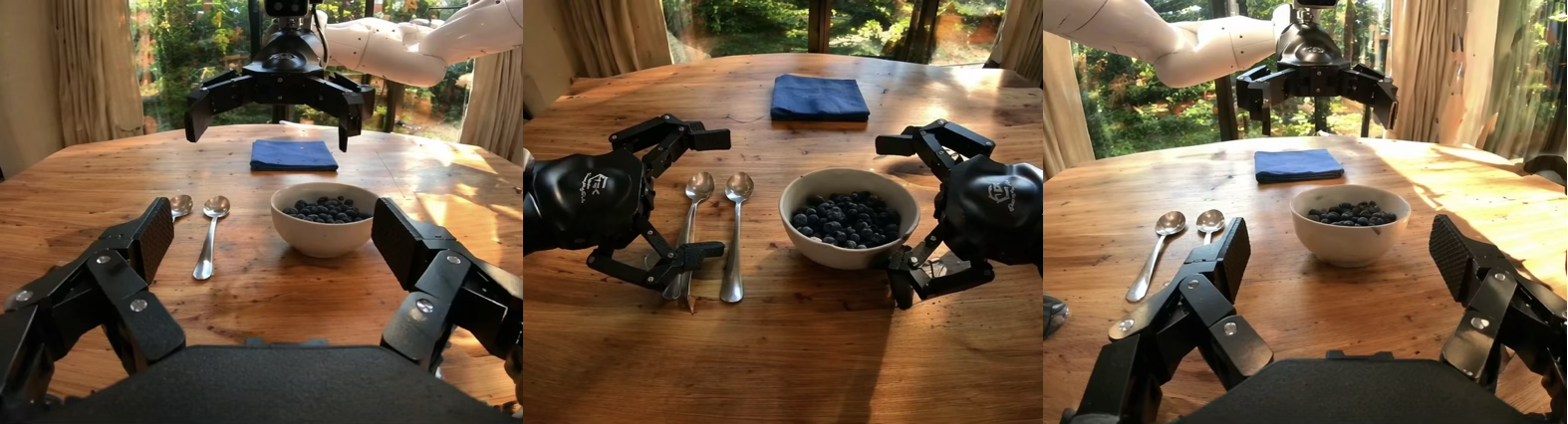
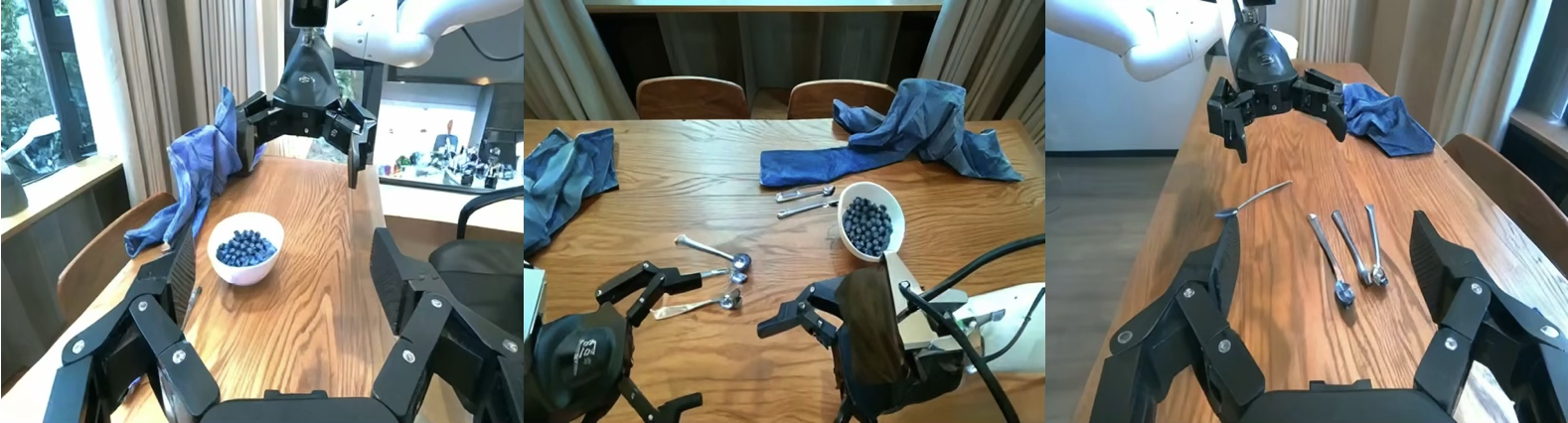
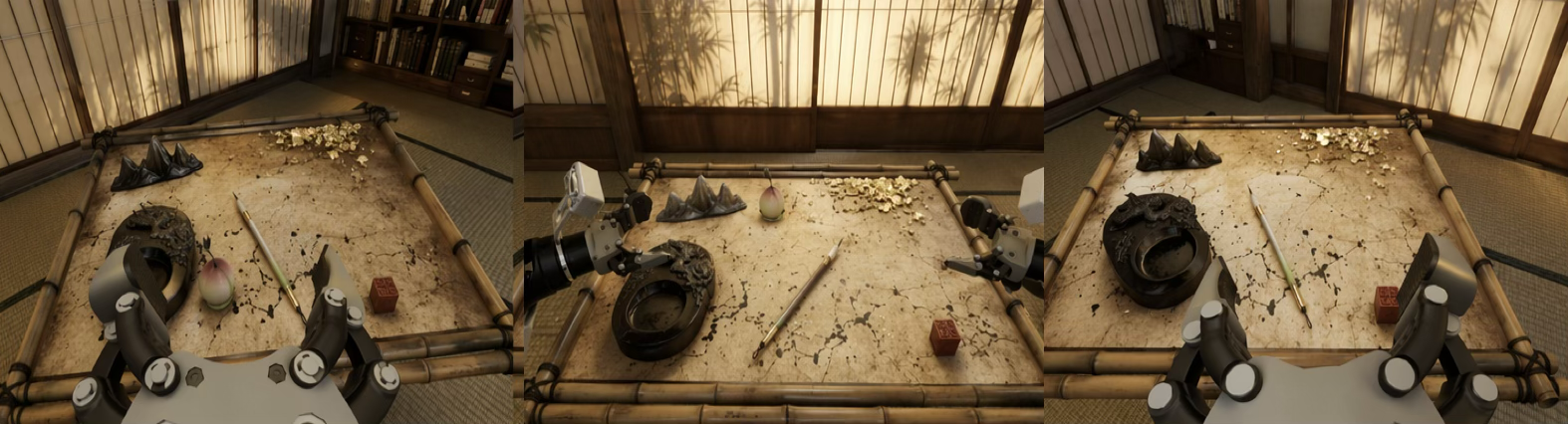
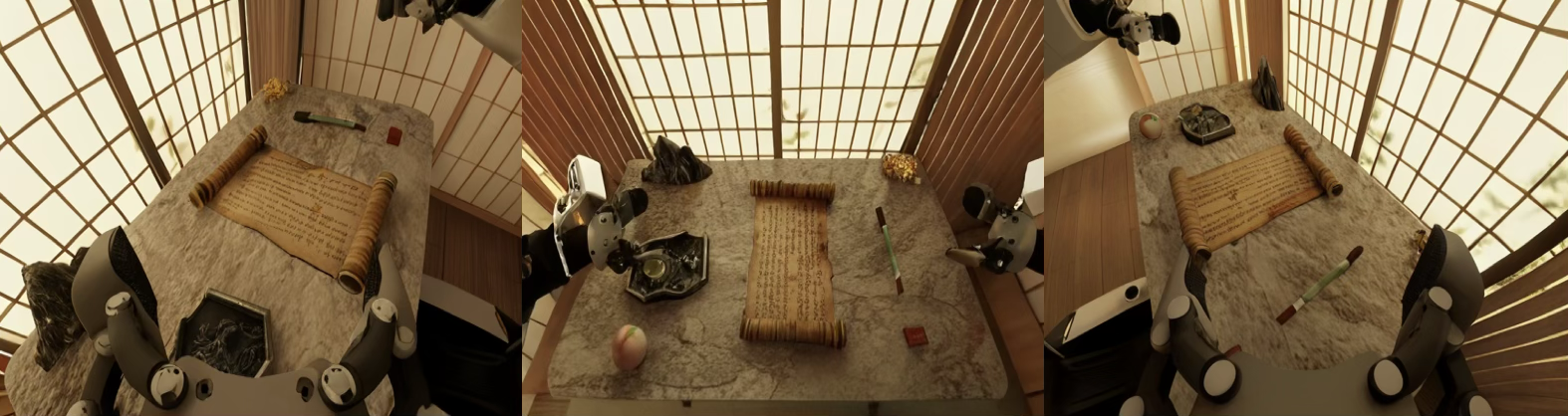

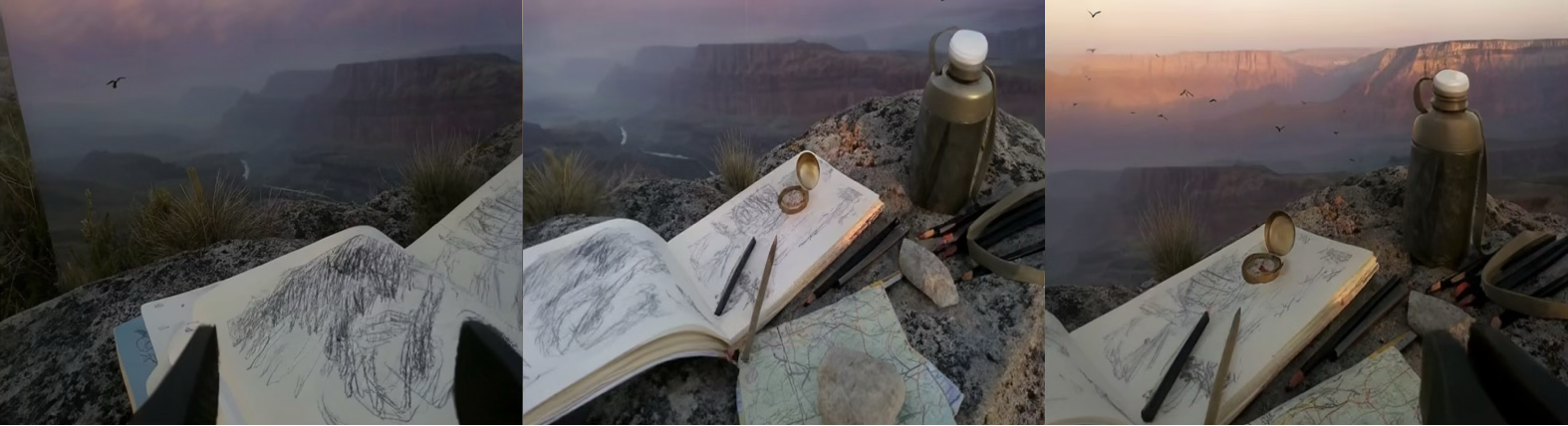
For Capability I: Multi-view Embodied Scene Generation, this benchmark reports the overall win rate of embodied scene generation. Xiaomi-Robotics-U0 outperforms GPT-Image-2 in most comparisons, achieving clear advantages in multi-view consistency while maintaining comparable instruction-following performance.
Transfer an existing embodied scene into a new one while preserving robot interaction.
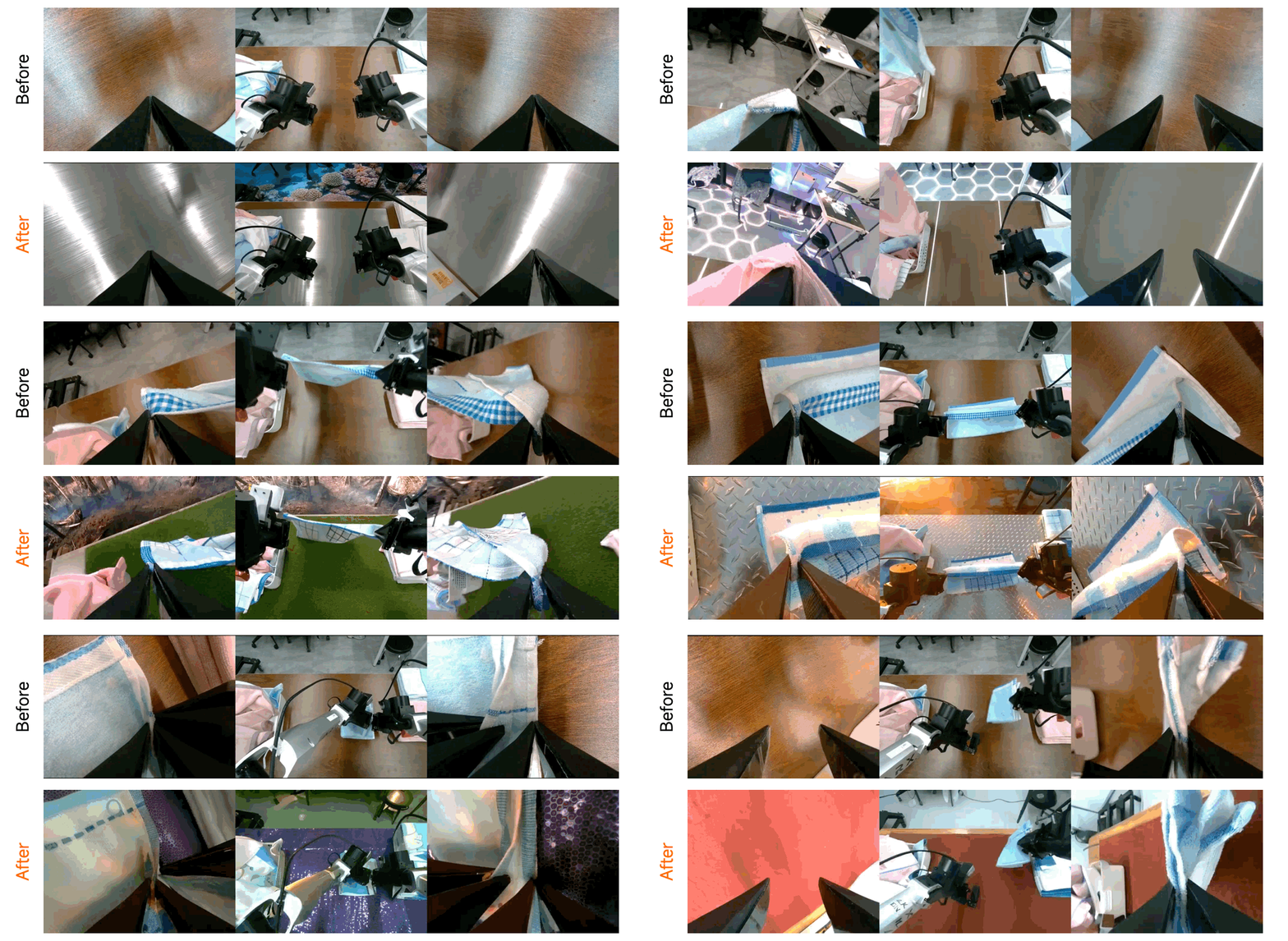
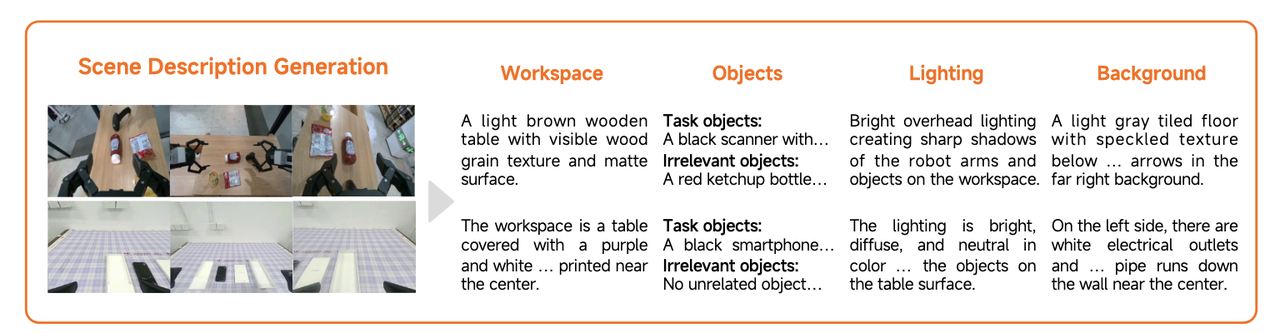
Xiaomi-Robotics-U0 disentangles embodied scenes into five independently controllable dimensions.
Each factor can be independently recombined, producing exponentially many robot scenes from compact descriptions without affecting robot pose or manipulation state.
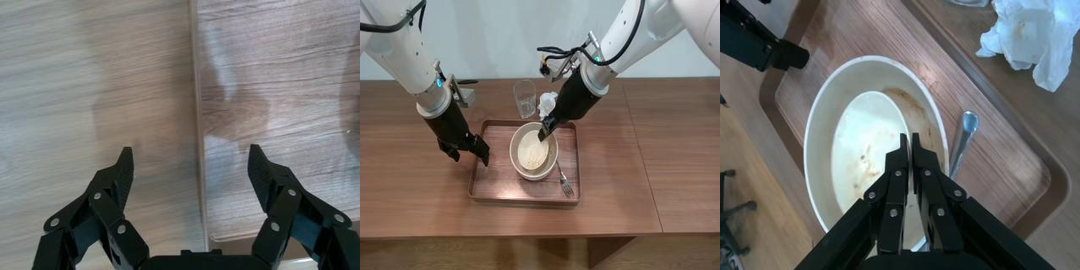
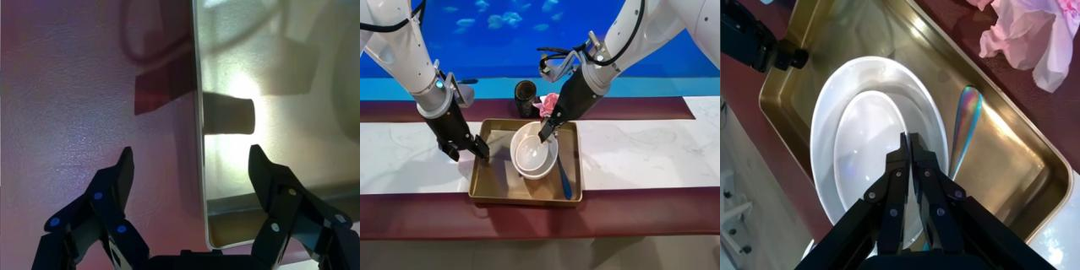
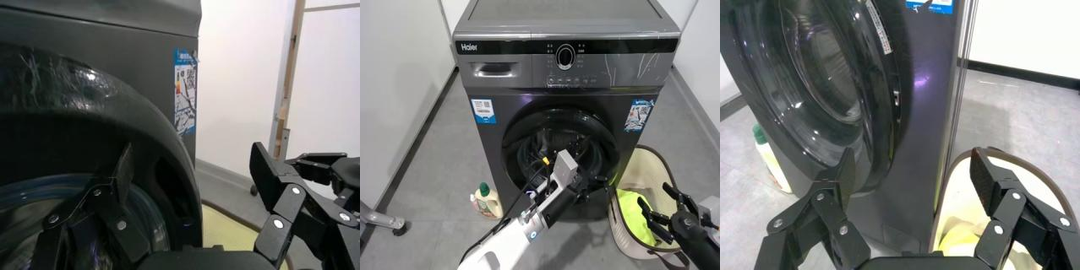
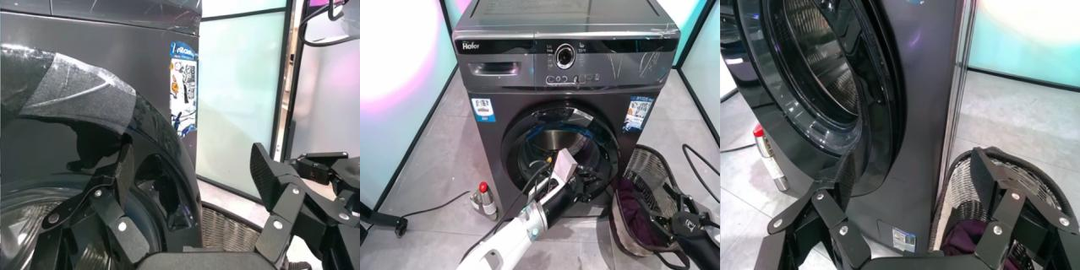


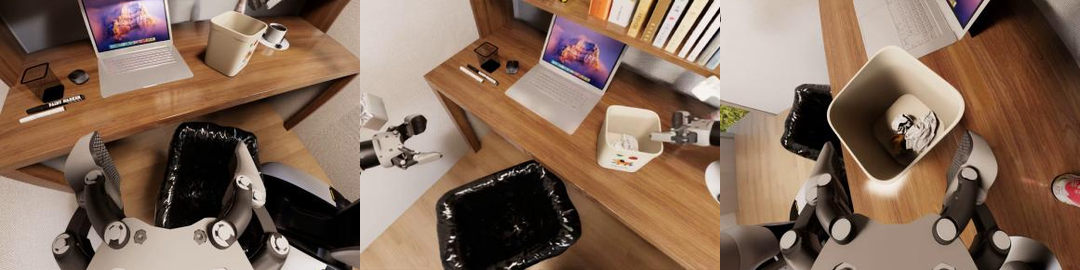
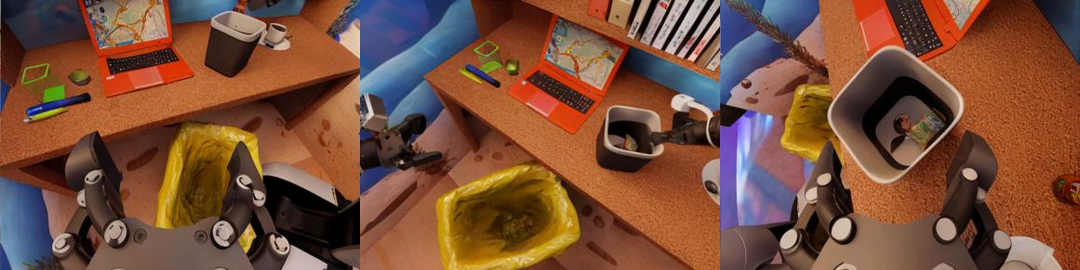

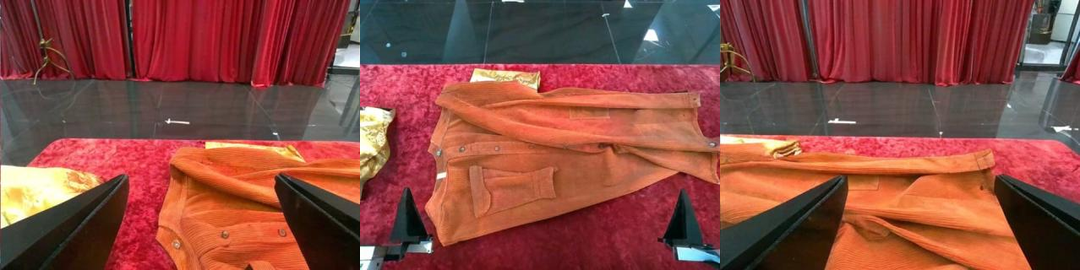
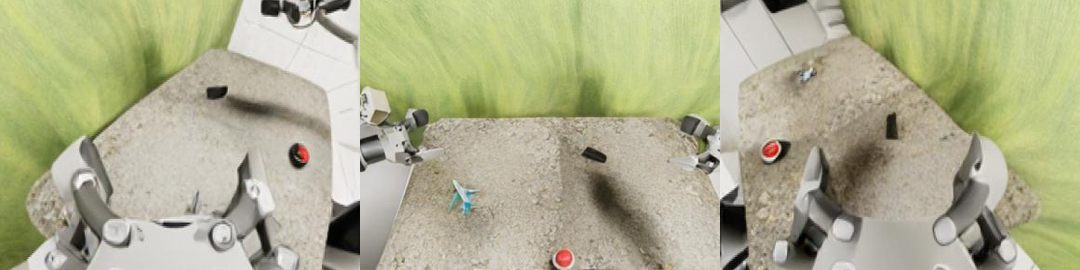
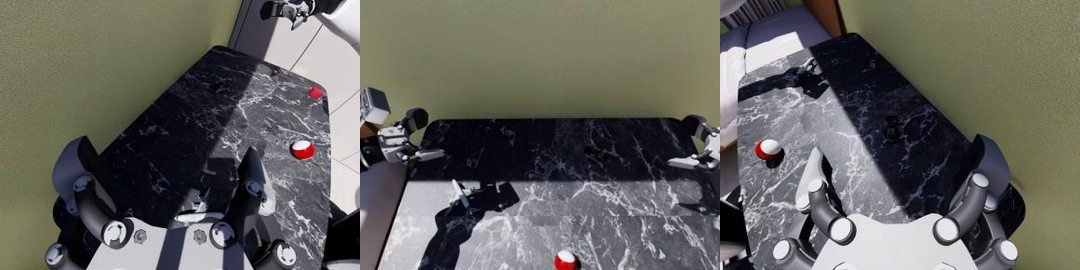
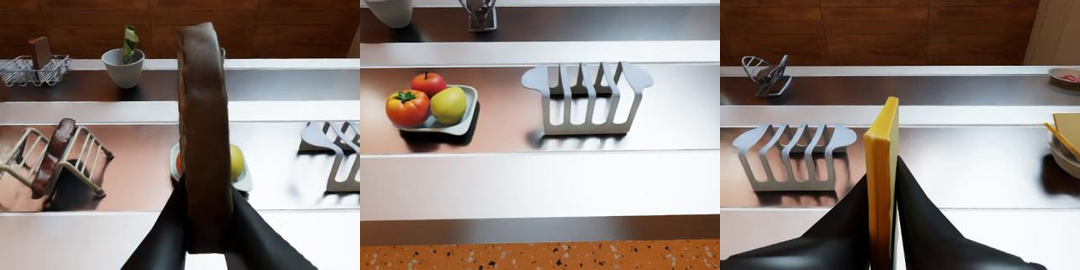
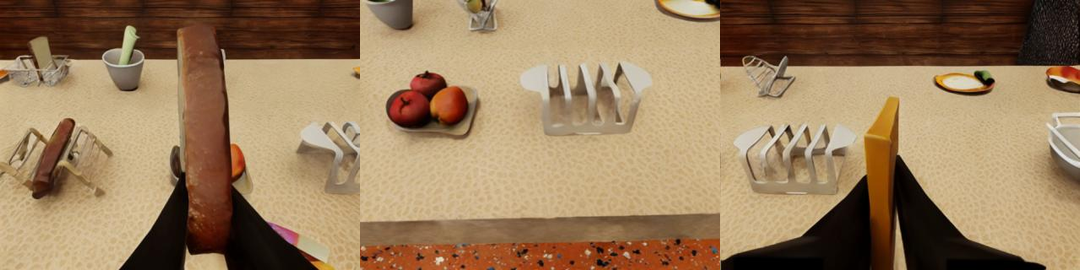


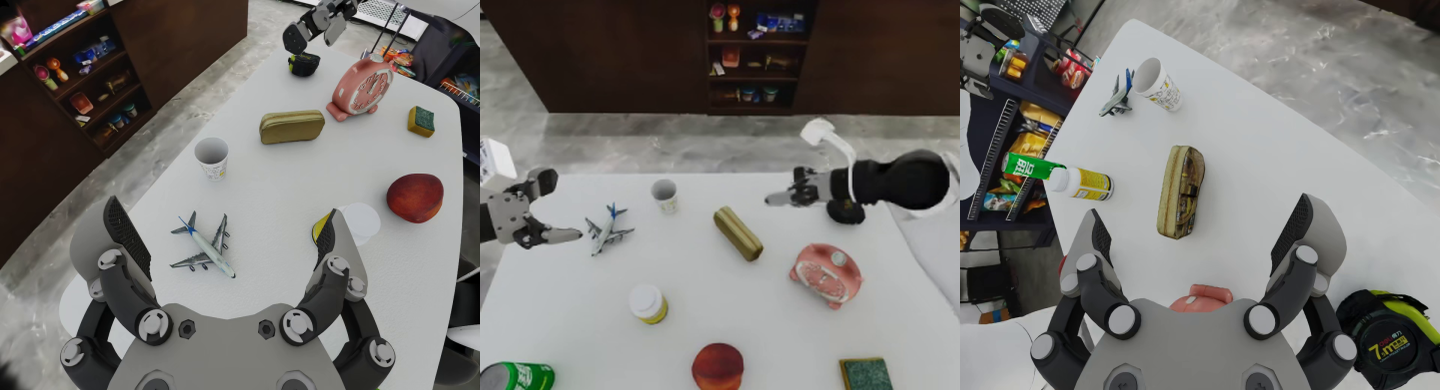
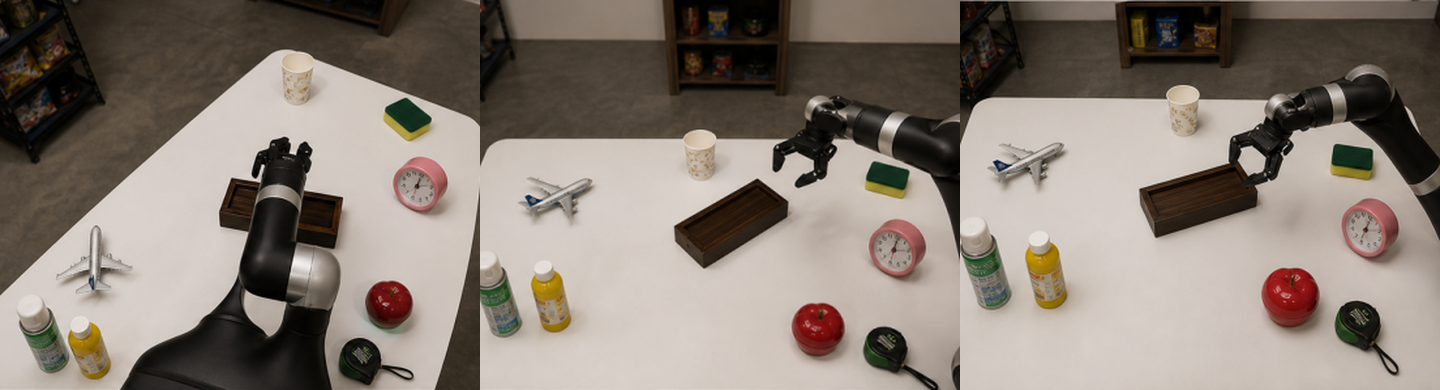
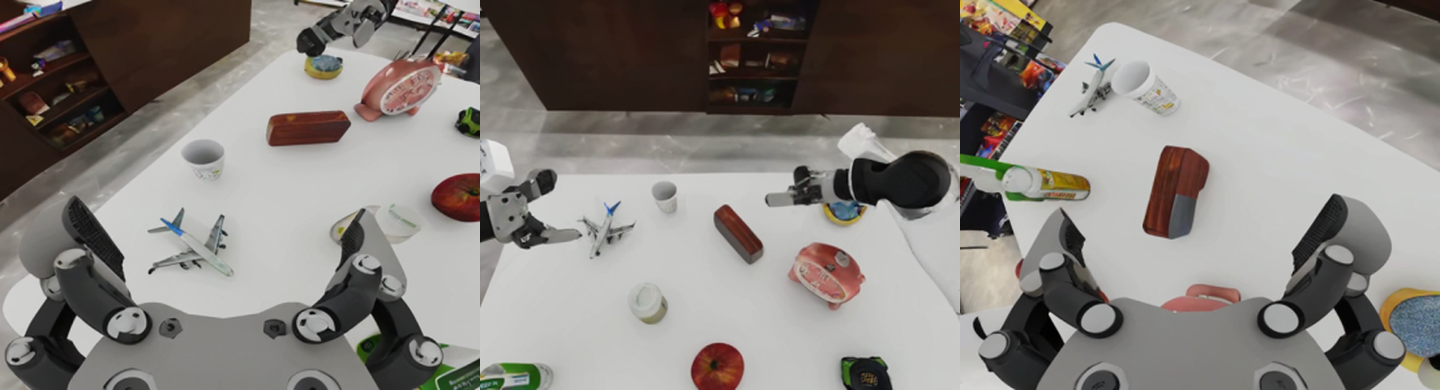
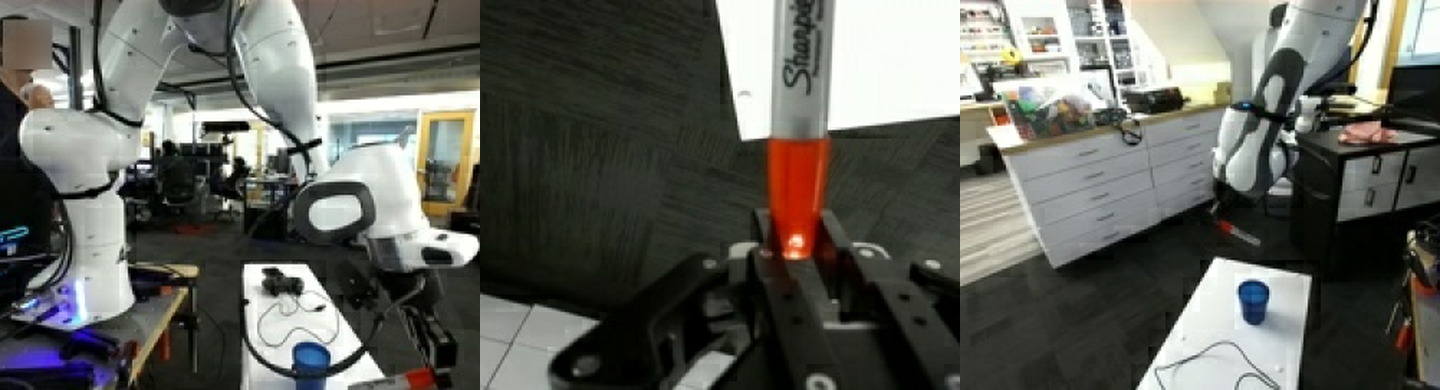
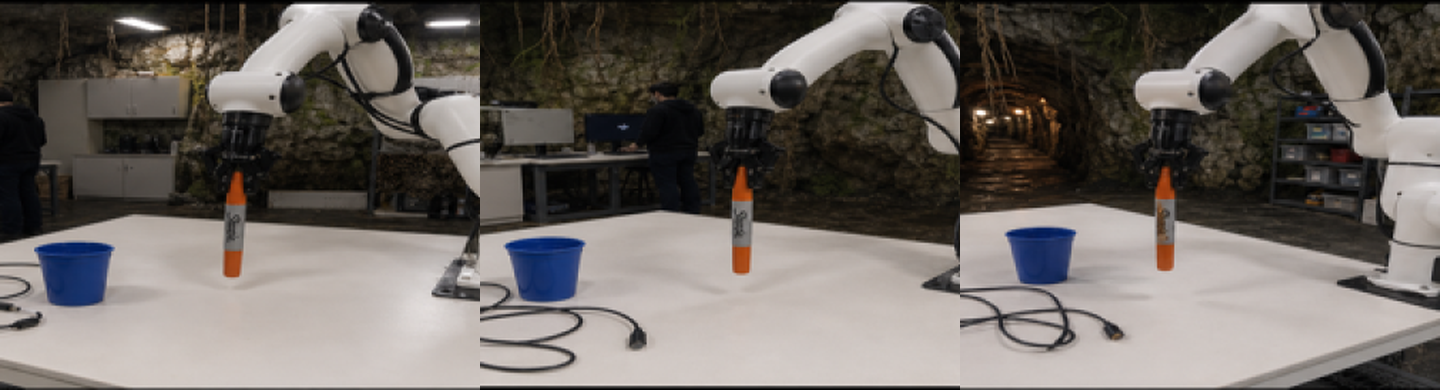
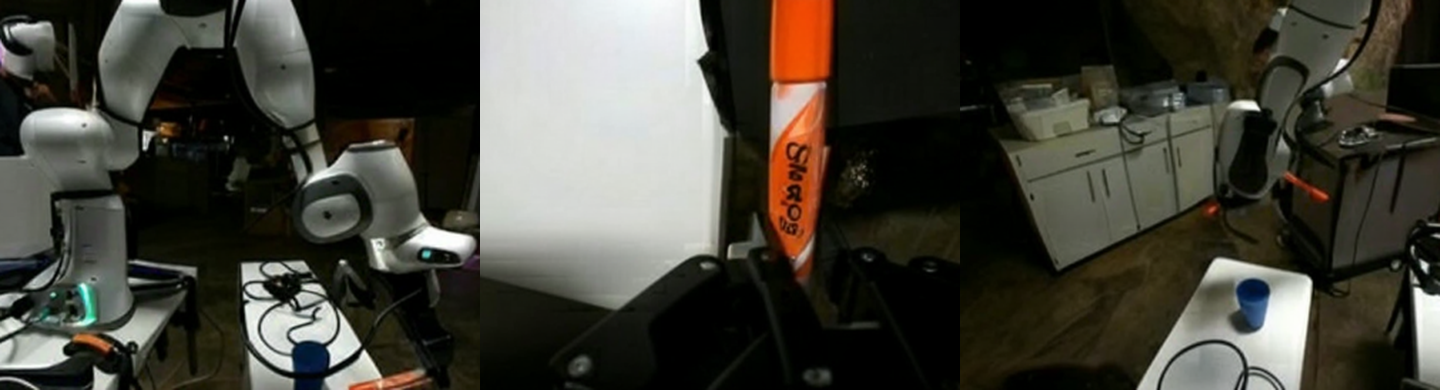
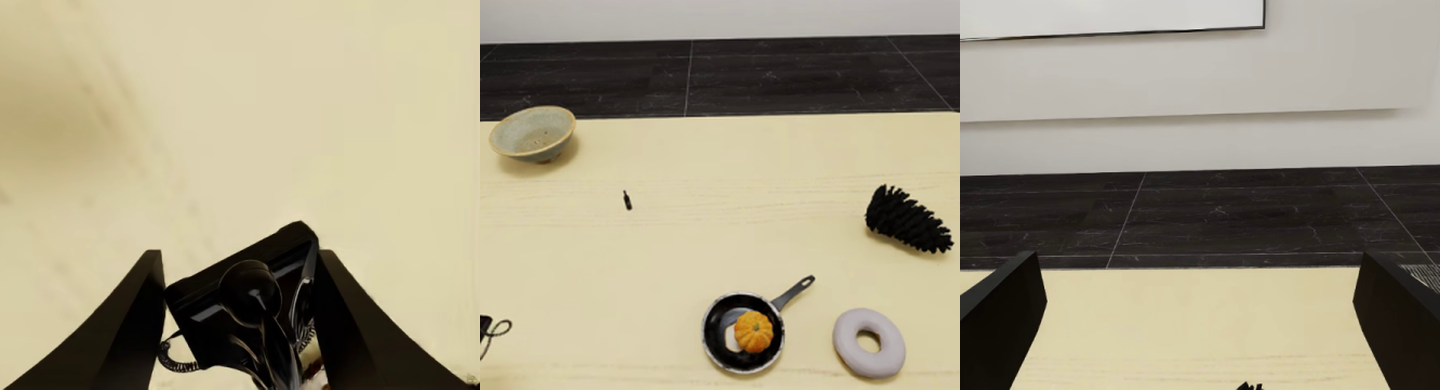
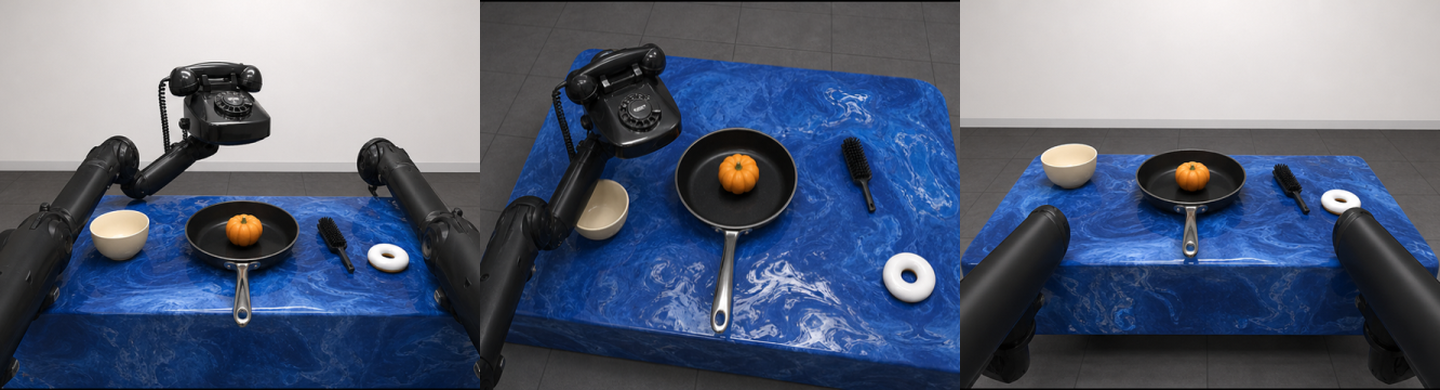
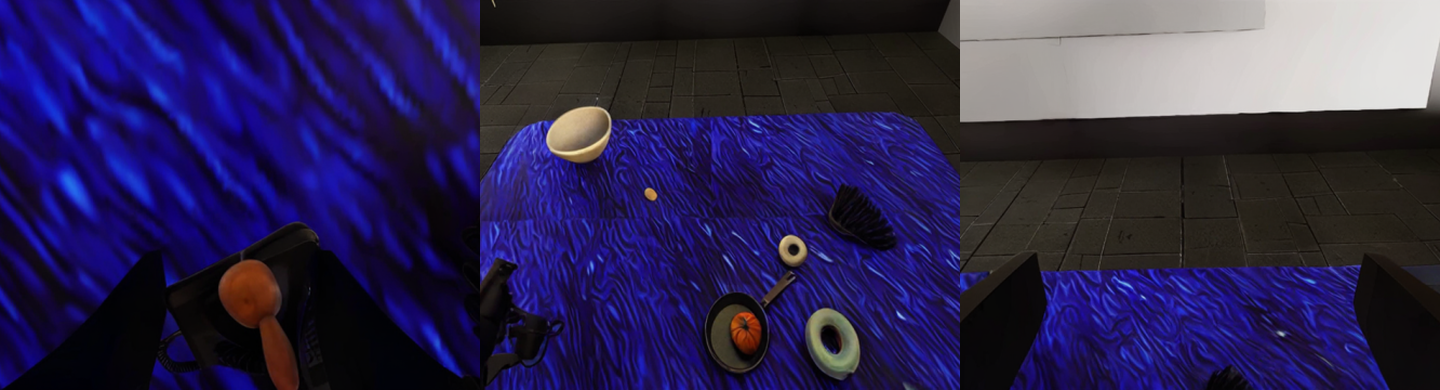
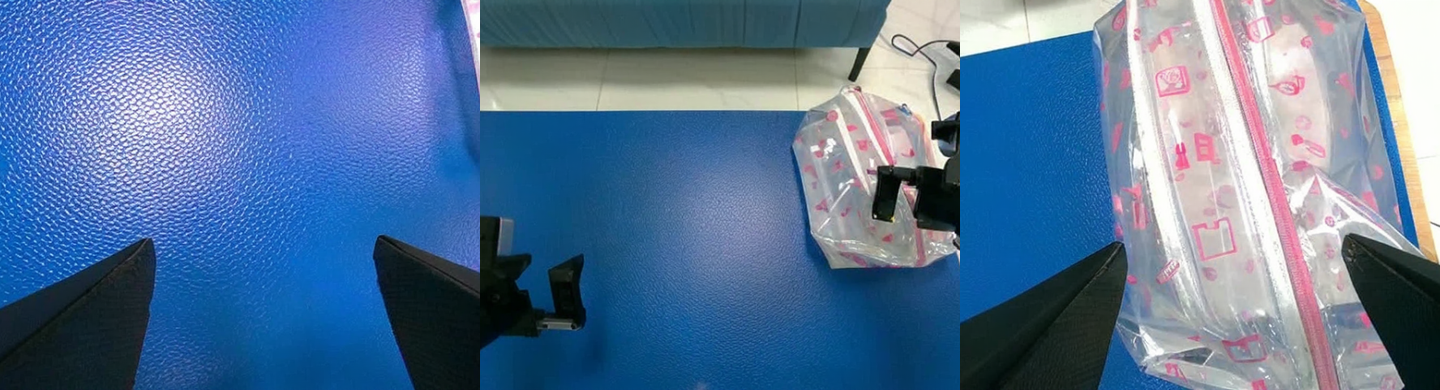
For Capability II: Controllable Embodied Transfer, this benchmark reports the overall win rate of embodied transfer. Xiaomi-Robotics-U0 shows stronger transfer robustness than GPT-Image-2 while preserving comparable instruction-following performance across edited embodied scenes.
Starting from a single observation, Xiaomi-Robotics-U0 predicts future robot interactions across diverse scenarios.
Ranks 1st among over 100 models on WorldArena.
| Model | EWMScore_P | Rank | Visual Quality | Motion Quality | Content Consistency | Physics Adherence | 3D Accuracy | Controllability | Aesthetic Quality | Background Consistency | Depth Accuracy | Dynamic Degree | Flow Score | Image Quality | Instruction Following | Interaction Quality | JEPA Similarity | Motion Smoothness | Perspectivity | Photometric Consistency | Semantic Alignment | Subject Consistency | Trajectory Accuracy |
|---|---|---|---|---|---|---|---|---|---|---|---|---|---|---|---|---|---|---|---|---|---|---|---|
| UNIS (Xiaomi-Robotics-U0) | 73.64 | 1 | 61.78 | 85.08 | 55.87 | 64.60 | 92.05 | 91.60 | 40.79 | 86.44 | 85.25 | 73.70 | 86.02 | 53.94 | 93.86 | 87.30 | 90.60 | 95.51 | 98.84 | 2.13 | 89.35 | 79.05 | 41.89 |
| SisyphusWorld | 73.06 | 2 | 60.18 | 89.17 | 58.11 | 58.28 | 92.60 | 85.93 | 38.38 | 86.52 | 94.85 | 76.27 | 99.82 | 45.57 | 82.68 | 71.98 | 96.58 | 91.42 | 90.34 | 5.69 | 89.18 | 82.11 | 44.58 |
| BWM-Fast | 72.71 | 3 | 63.08 | 79.67 | 58.22 | 62.39 | 91.78 | 89.69 | 40.15 | 90.17 | 86.41 | 69.58 | 75.11 | 51.22 | 90.22 | 79.88 | 97.87 | 94.33 | 97.14 | 3.08 | 89.15 | 81.42 | 44.89 |
| SACWM | 72.67 | 4 | 59.80 | 85.58 | 58.86 | 59.62 | 93.67 | 85.41 | 37.30 | 87.90 | 94.99 | 70.35 | 95.79 | 45.83 | 81.66 | 72.28 | 96.26 | 90.60 | 92.34 | 6.50 | 89.16 | 82.17 | 46.95 |
| DexWorldEngine | 72.66 | 5 | 59.70 | 79.25 | 58.24 | 66.22 | 91.89 | 91.04 | 40.96 | 88.85 | 86.19 | 69.16 | 74.31 | 51.44 | 92.62 | 81.04 | 86.71 | 94.27 | 97.58 | 4.42 | 89.45 | 81.46 | 51.41 |
| PAIWorld | 72.34 | 6 | 63.12 | 80.49 | 57.82 | 61.75 | 91.59 | 87.07 | 40.28 | 89.03 | 86.81 | 68.81 | 77.22 | 52.22 | 85.24 | 77.70 | 96.85 | 95.43 | 96.36 | 3.02 | 88.91 | 81.42 | 45.80 |
| FlowWAM-FiveAges | 72.00 | 7 | 63.54 | 80.14 | 57.34 | 60.54 | 90.94 | 86.96 | 41.94 | 88.43 | 85.61 | 70.12 | 75.72 | 53.43 | 85.24 | 76.66 | 95.26 | 94.59 | 96.26 | 2.64 | 88.68 | 80.96 | 44.42 |
| EvoPhysWorld | 71.73 | 8 | 60.07 | 84.15 | 58.04 | 59.75 | 89.20 | 85.62 | 39.34 | 88.46 | 82.37 | 79.61 | 77.27 | 58.73 | 82.84 | 76.00 | 82.15 | 95.58 | 96.02 | 3.59 | 88.39 | 82.07 | 43.49 |
| NoxWM | 71.70 | 9 | 60.73 | 87.28 | 55.22 | 58.42 | 87.83 | 86.68 | 38.92 | 87.49 | 80.08 | 75.76 | 87.51 | 53.66 | 89.24 | 79.92 | 89.61 | 98.57 | 95.58 | 1.10 | 84.12 | 77.07 | 36.91 |
| LeviosaWM | 71.64 | 10 | 59.28 | 88.26 | 55.08 | 56.34 | 88.48 | 88.57 | 35.82 | 85.36 | 81.40 | 77.17 | 89.31 | 57.24 | 88.40 | 77.42 | 84.77 | 98.29 | 95.56 | 1.26 | 88.73 | 78.63 | 35.26 |
Data source: WorldArena
Xiaomi-Robotics-U0 connects image generation with world modeling — generated scenes become starting points for trajectory generation.
Consistent multi-view embodied prediction across different camera perspectives.
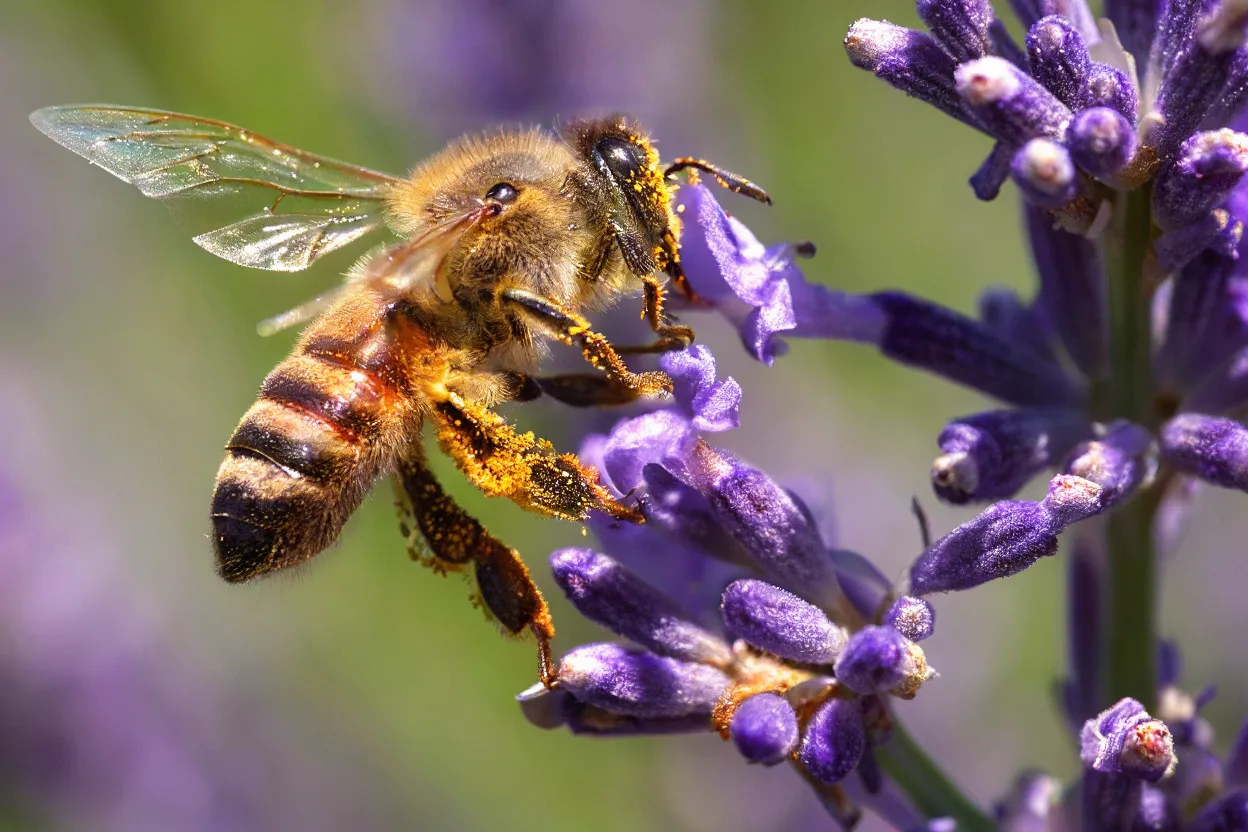
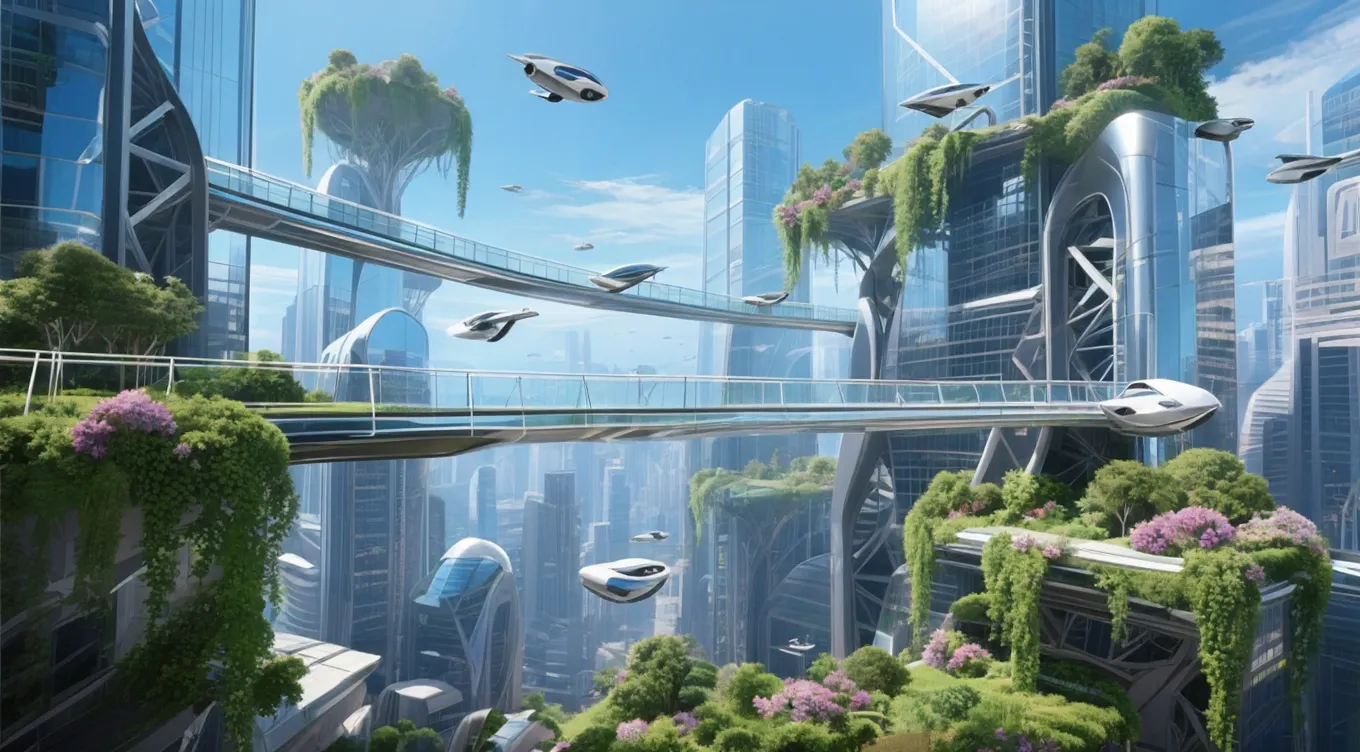
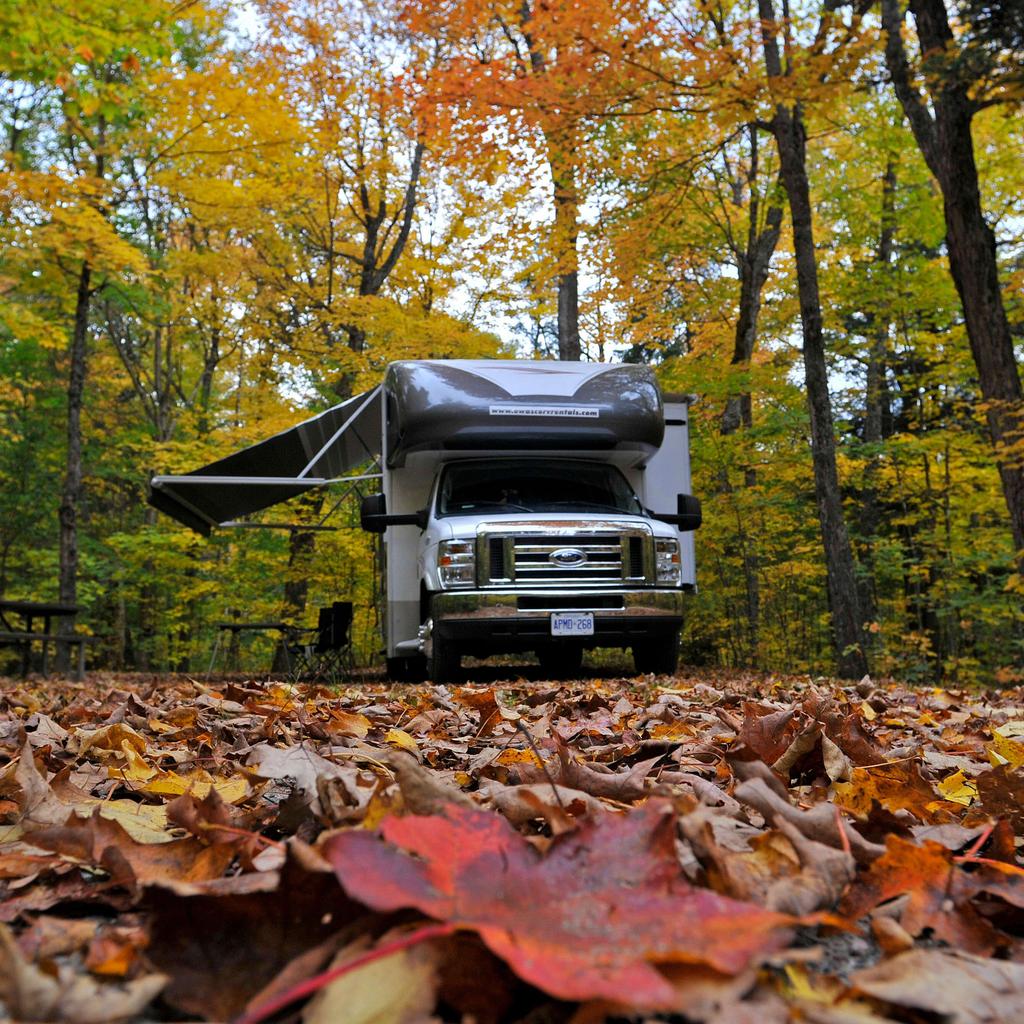
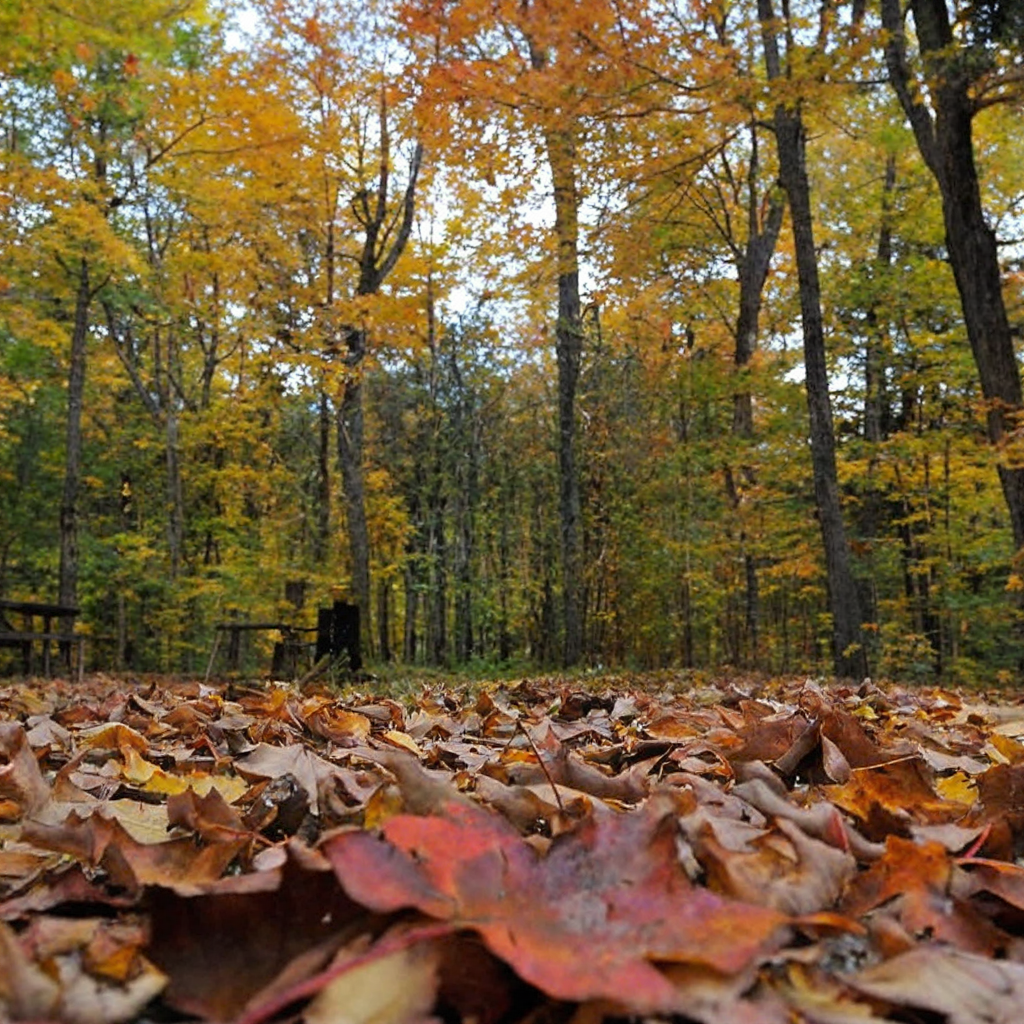
Beyond embodied generation, Xiaomi-Robotics-U0 retains broad visual synthesis and editing capability across text-guided creation and instruction-driven image transformation.
General Text-to-Image












Any-to-Image Editing
Add a small wooden boat, with a dark red hull.


Change the watch strap to a dark brown crocodile-embossed leather strap.
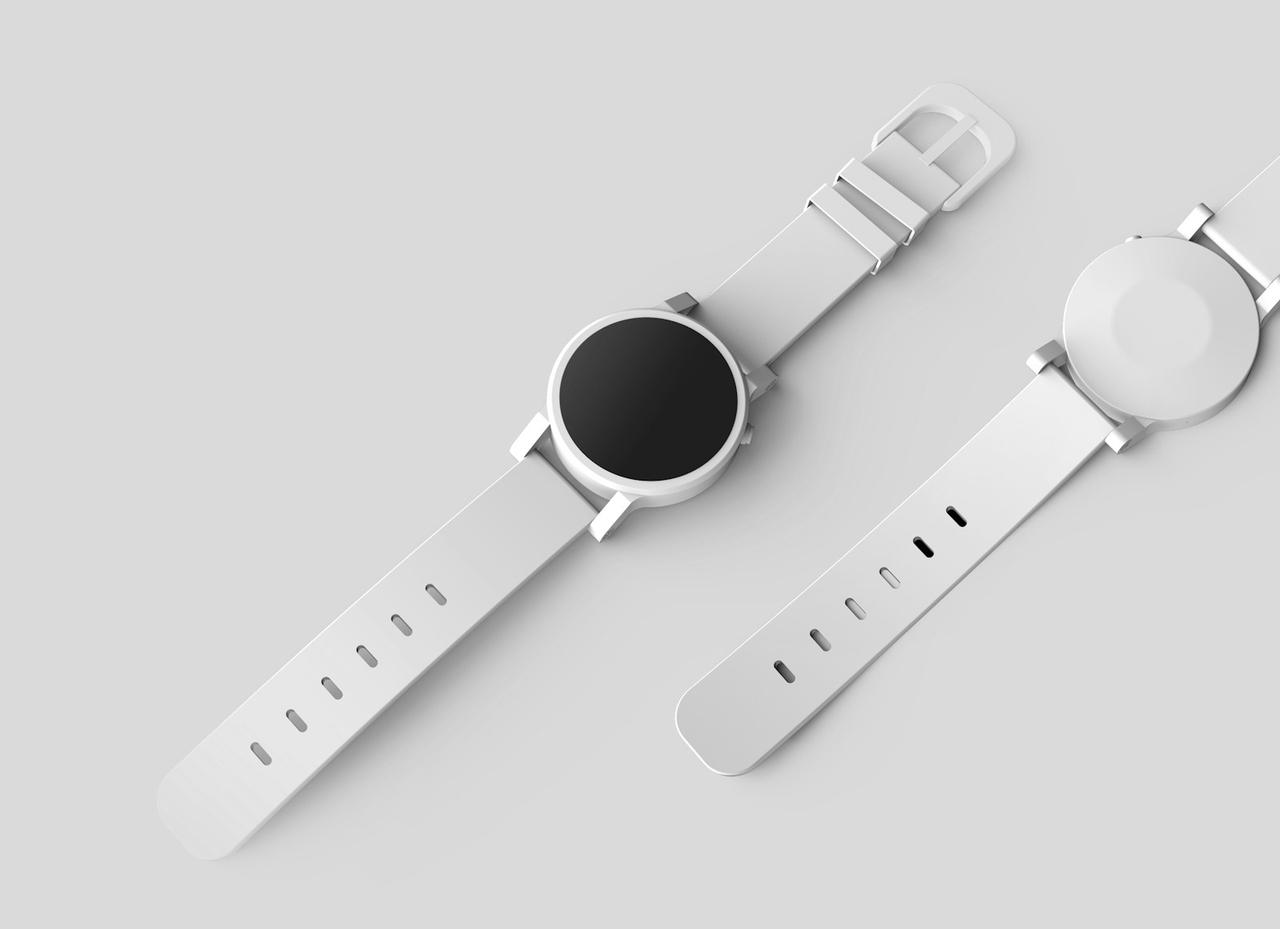
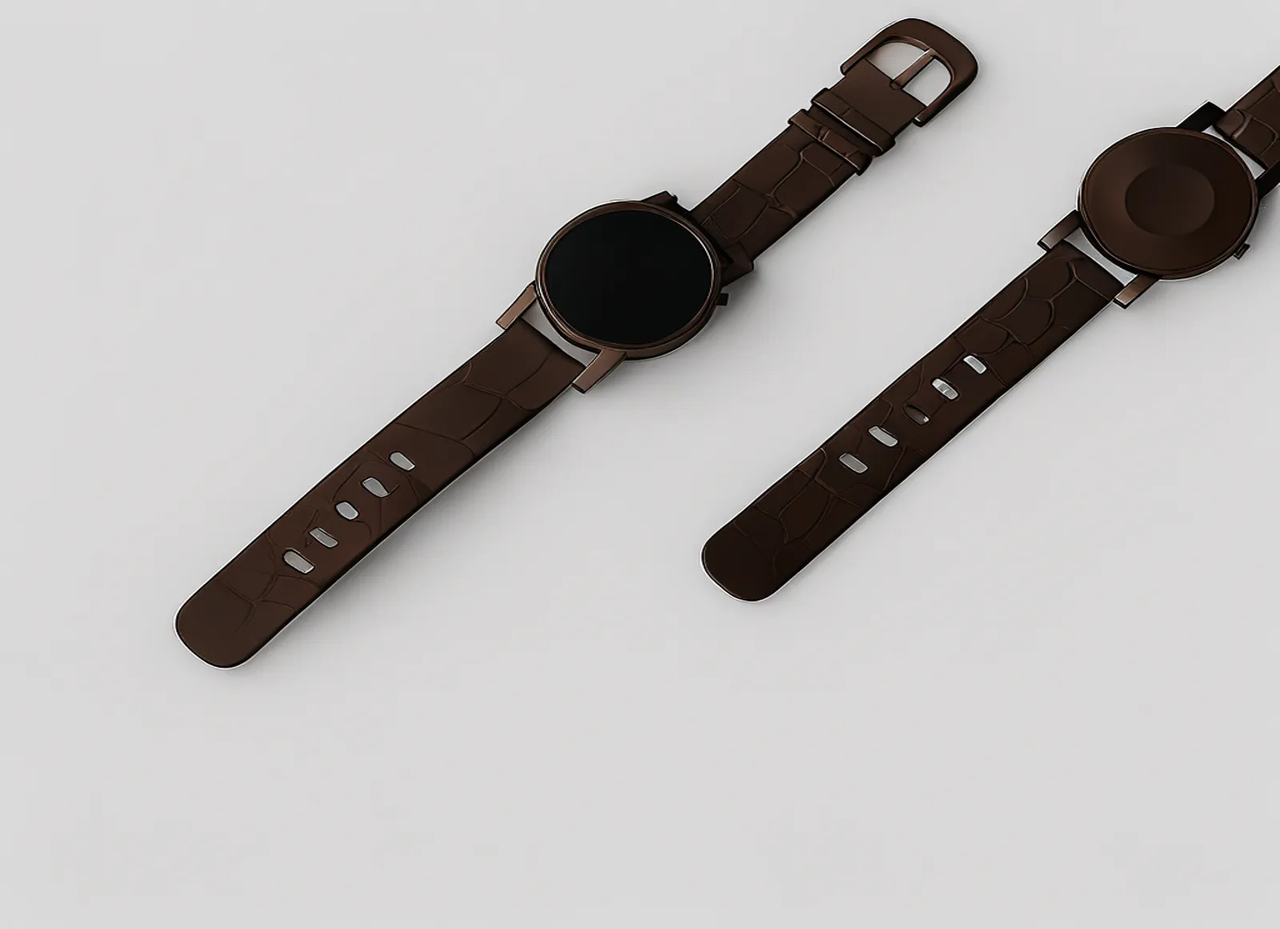
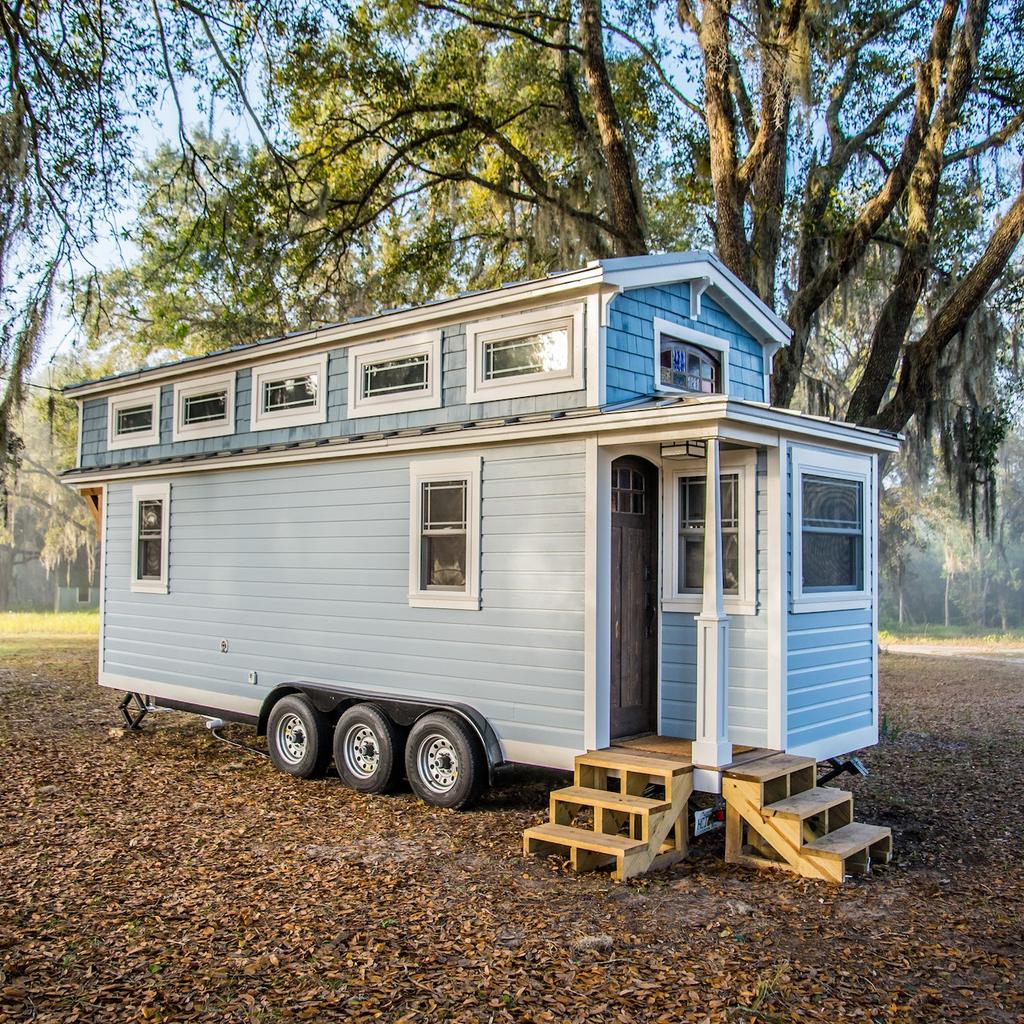
Replace the tiny house on wheels with a vintage car.

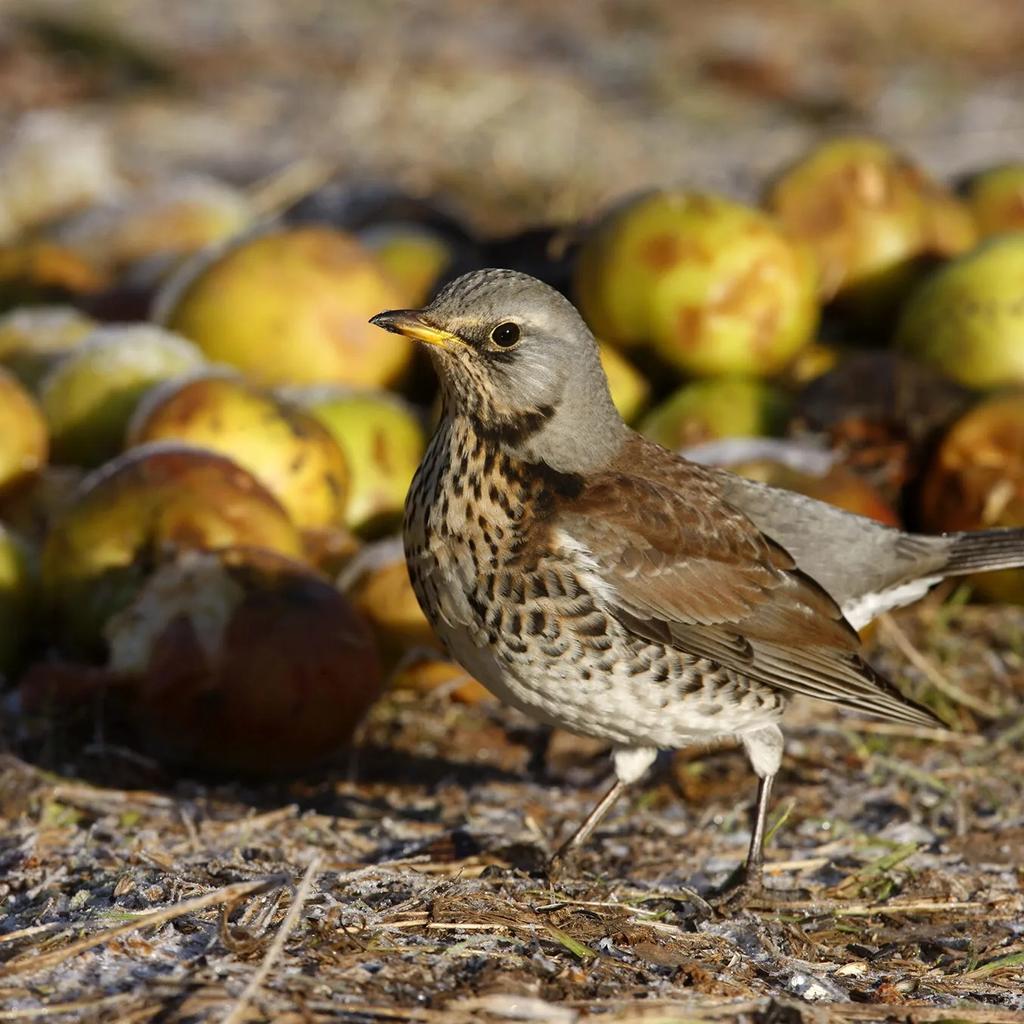
Replace the bird in the image with a small rabbit.
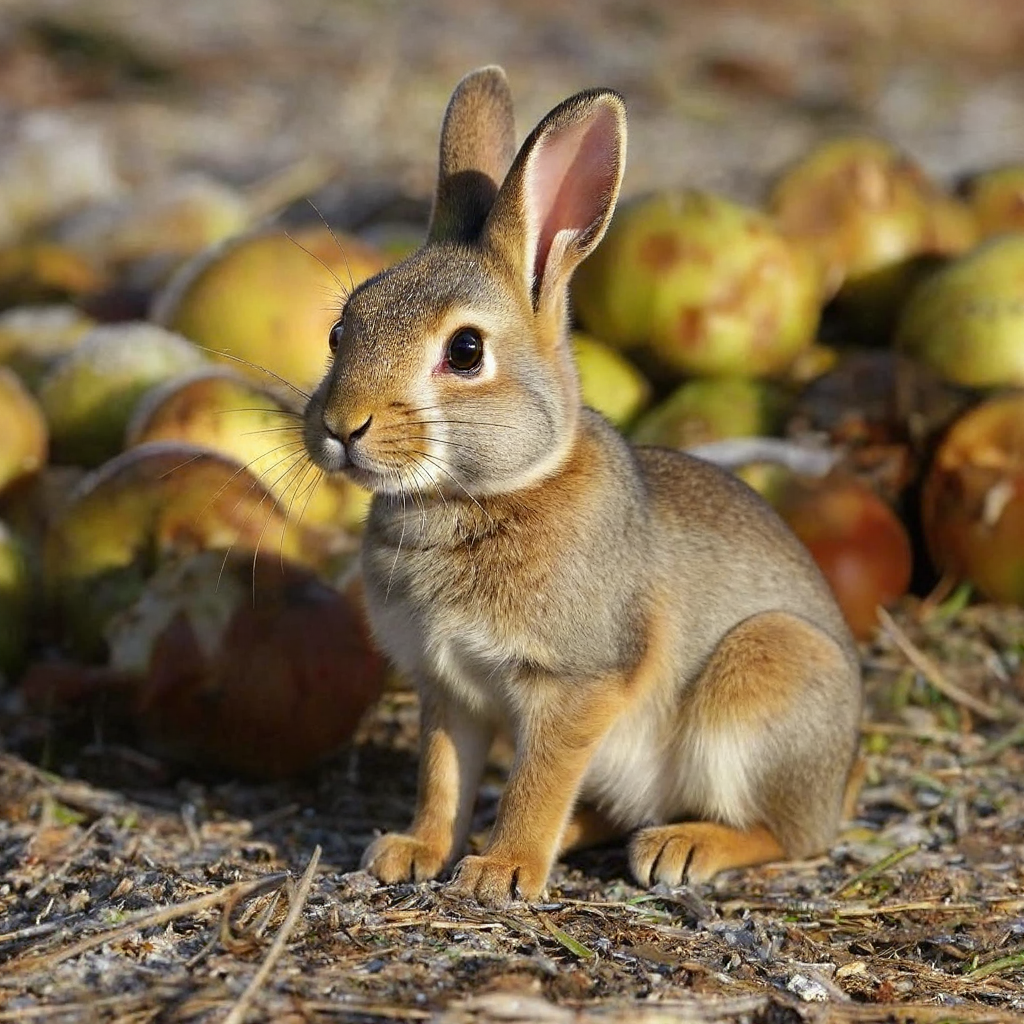
Add morning dew drops.


Change the house to a coastal setting with beach and ocean.


Add a sprig of cilantro to the painting.


Add a family of ducks swimming near the waterfalls.


Add a person walking along the dirt path toward the ocean.


Change the background to matte black.


Extract the yellow necktie worn in the image.
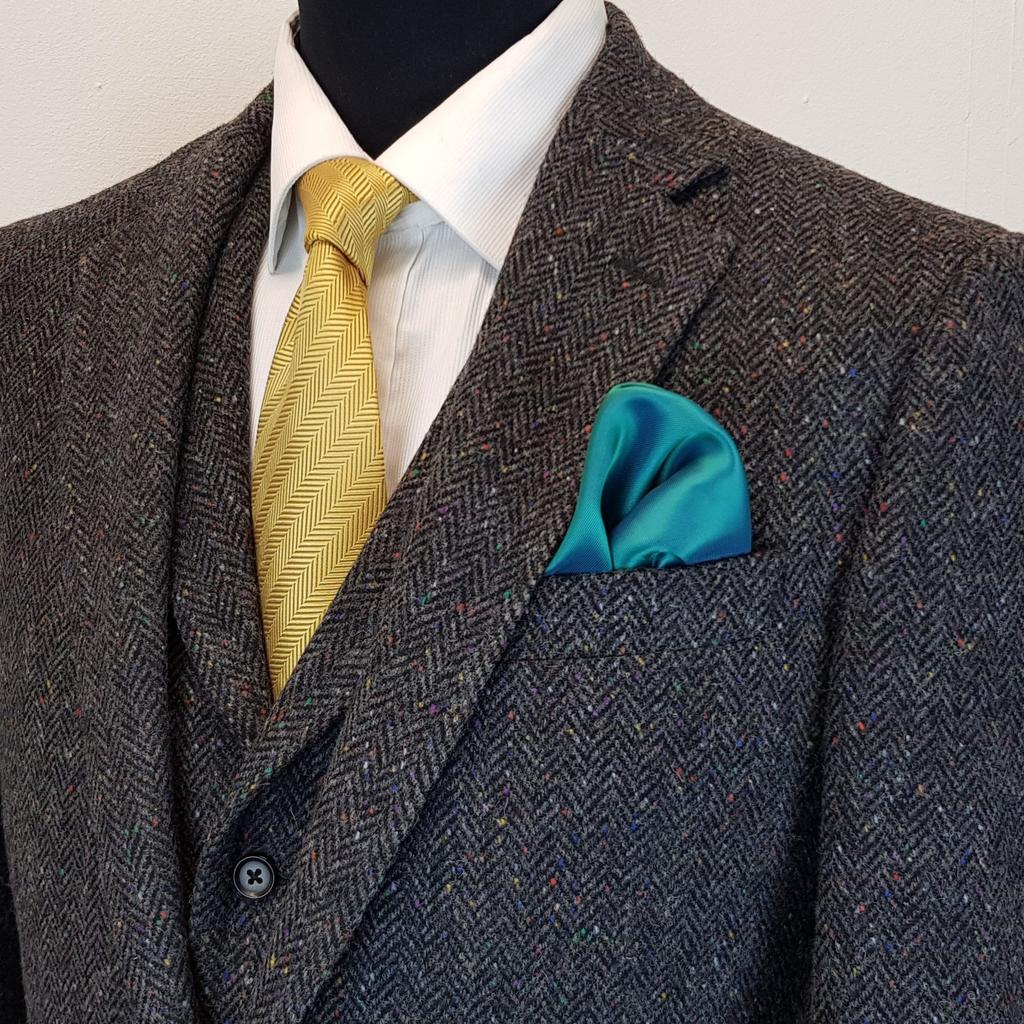
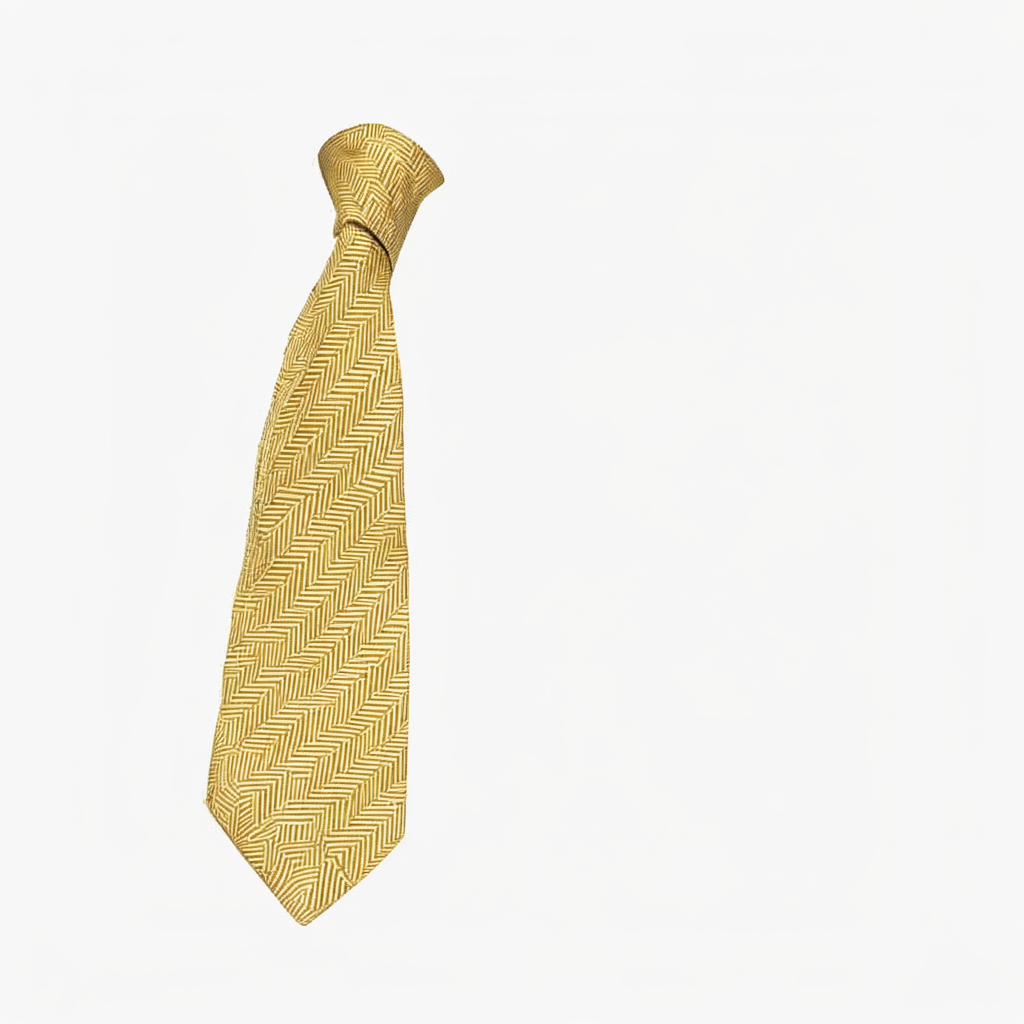
Remove the colorful inflatable bounce house in the foreground.

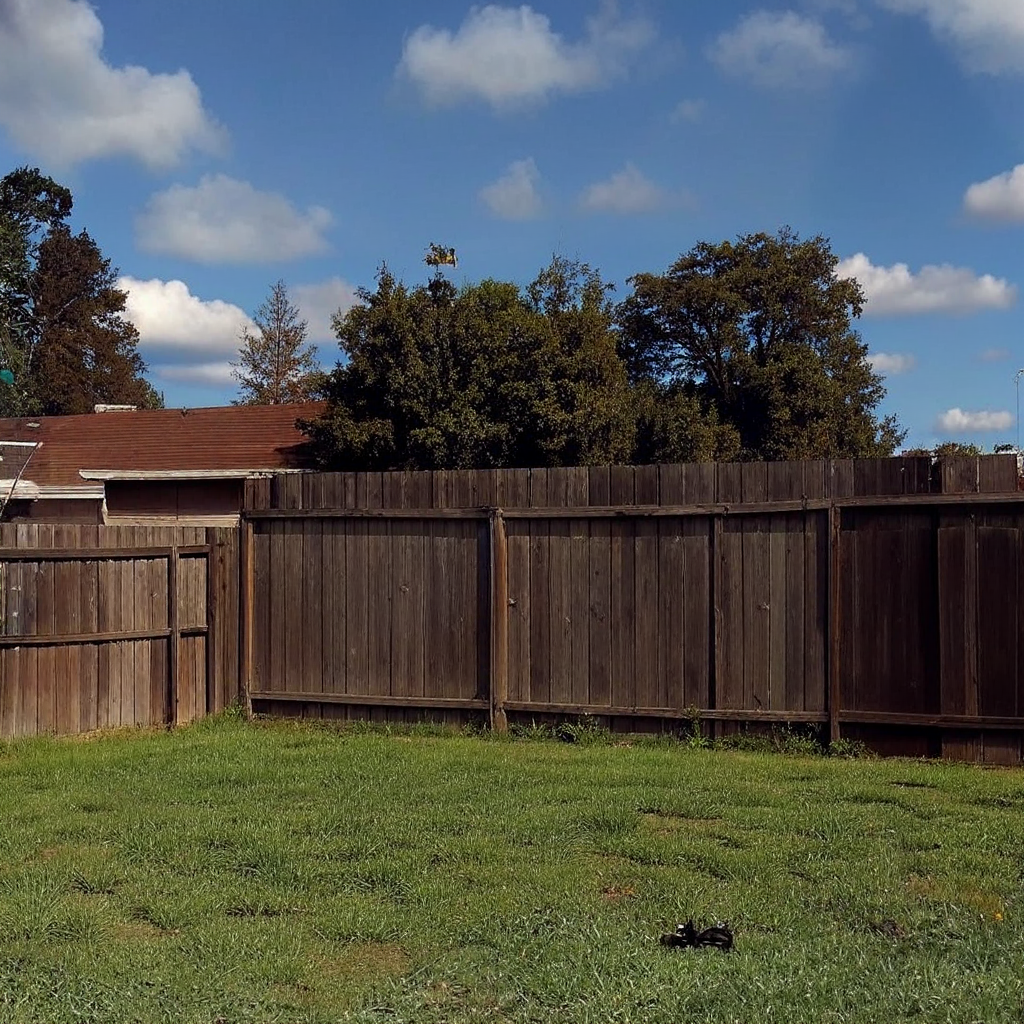
Make it look like abstract art.


Add warm sunset lighting.
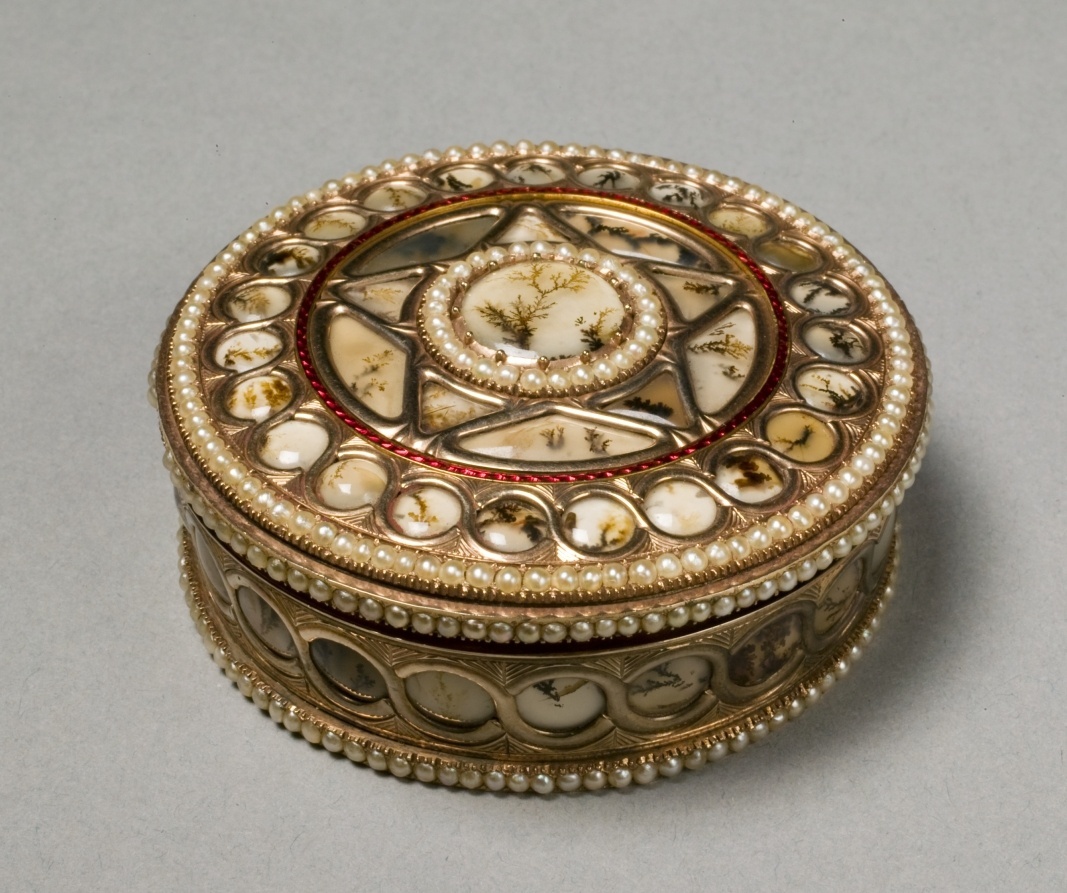

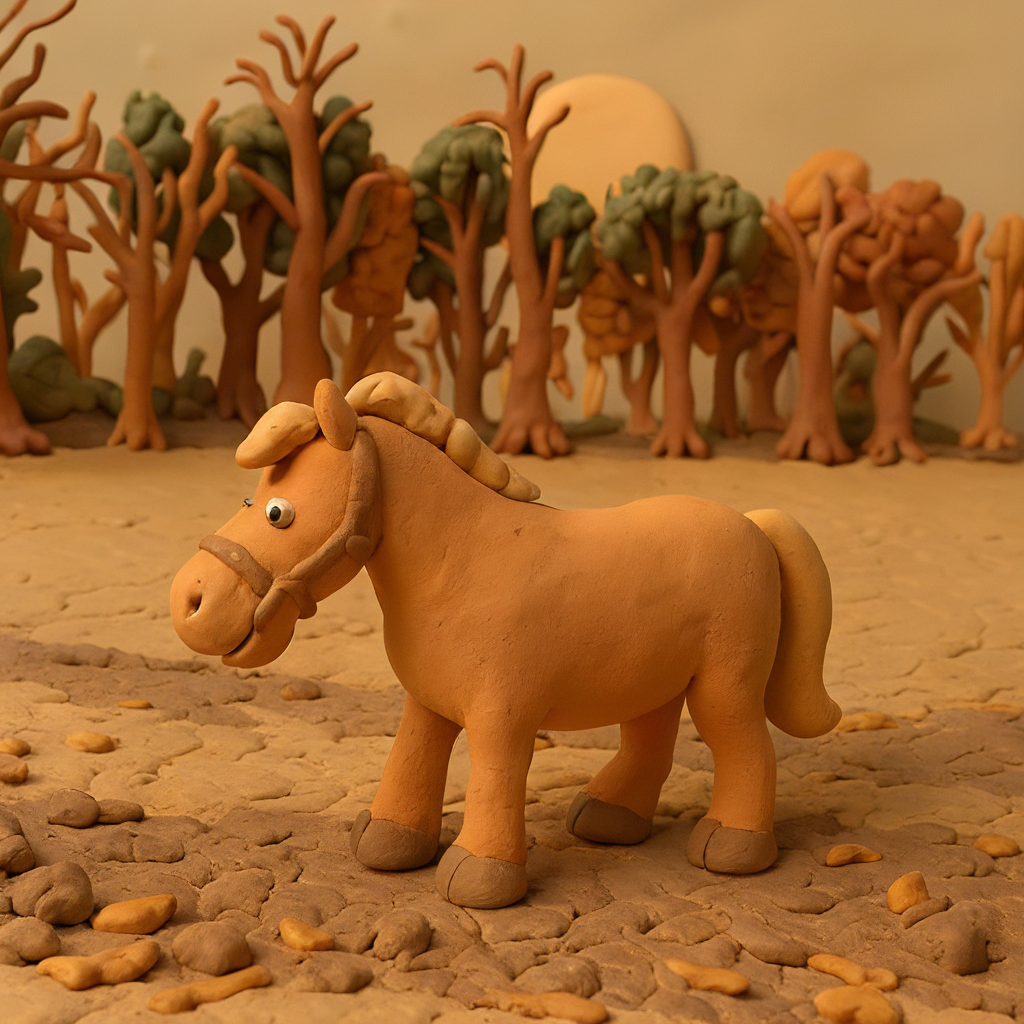
Transfer the image into a hand-sculpted claymation style.
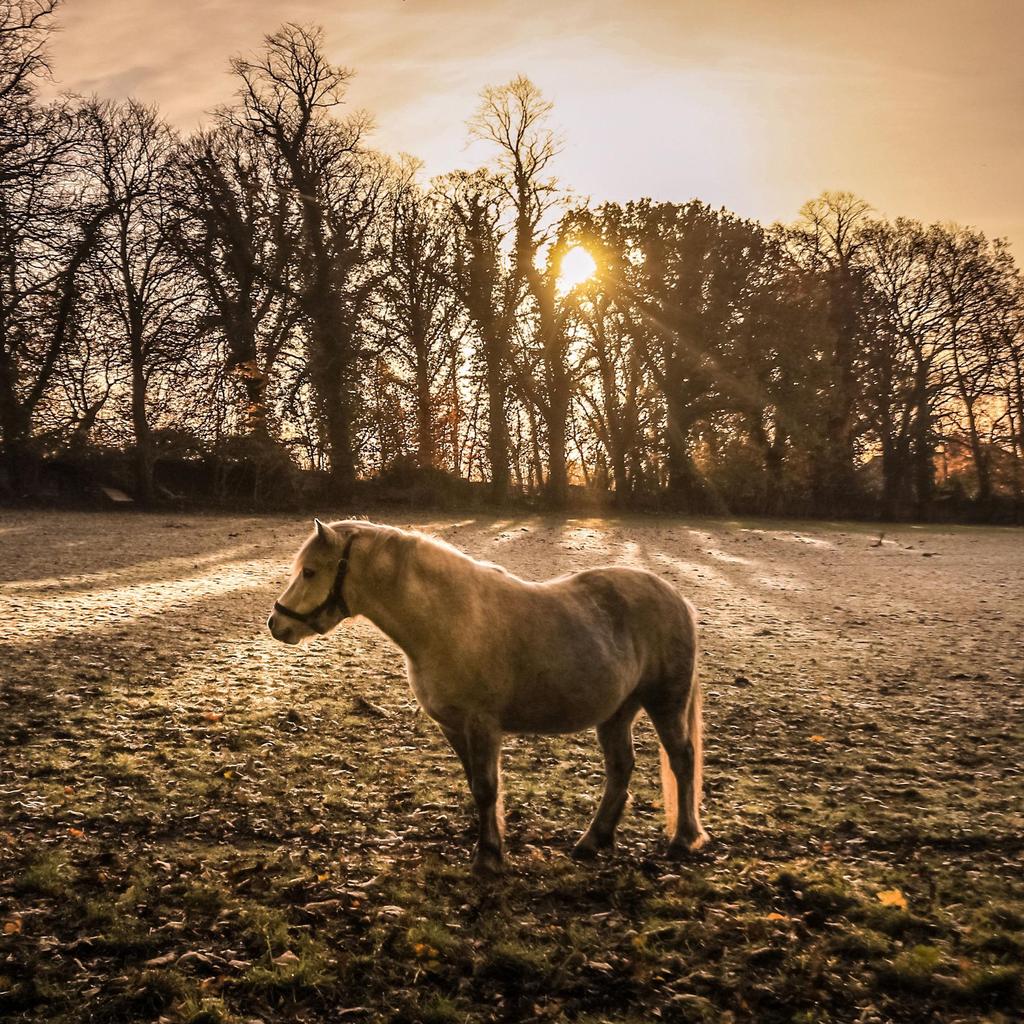
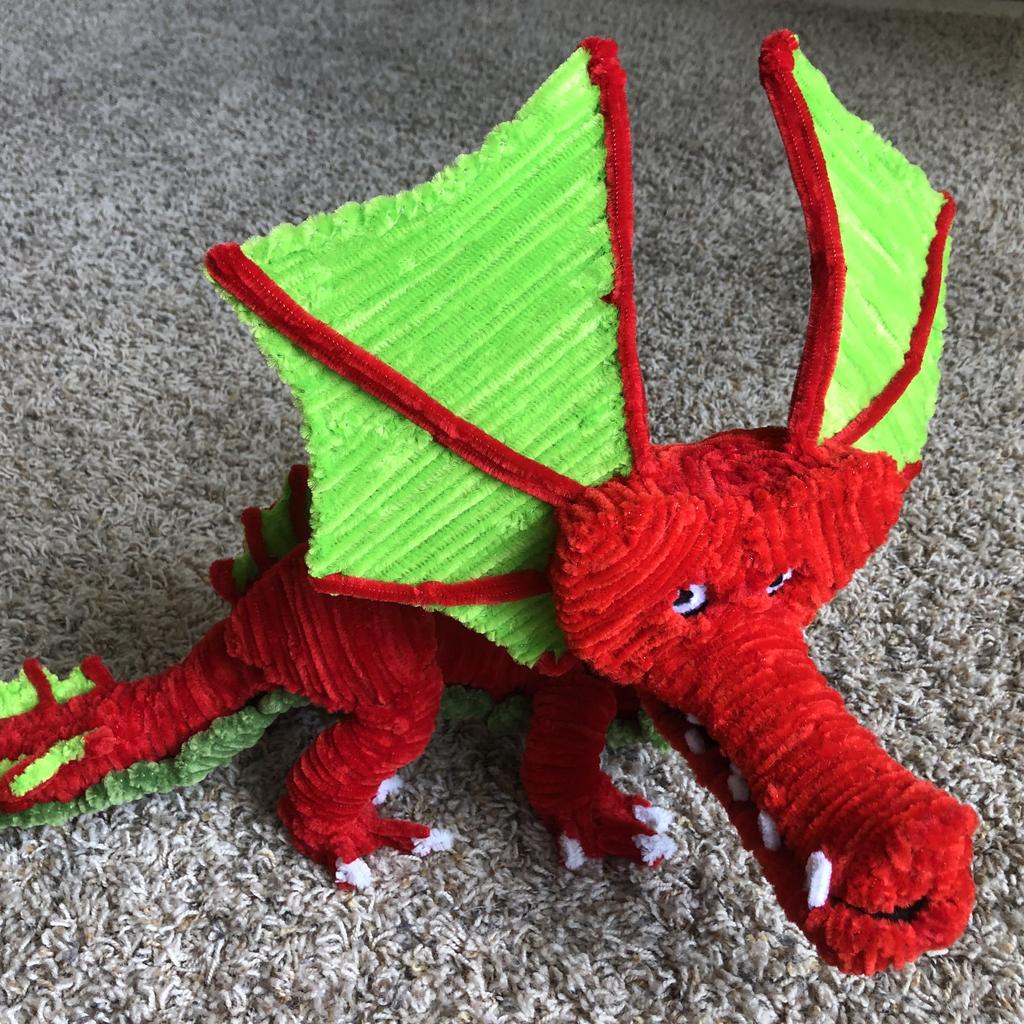
Replace the pipe-cleaner dragon with a bright yellow rubber duck.

Remove the camper van and make the forest seamless.
Make it look like an architectural sketch.


Change the main object color while preserving details.
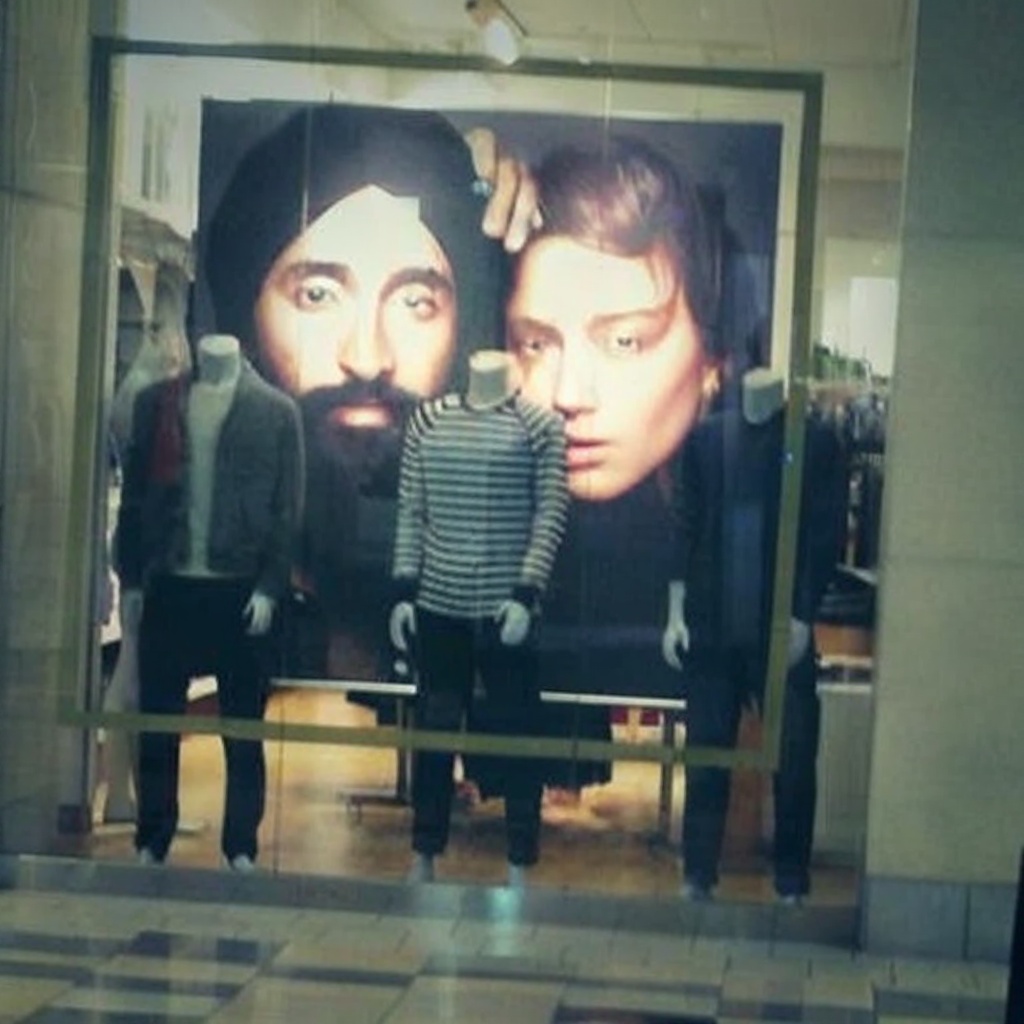
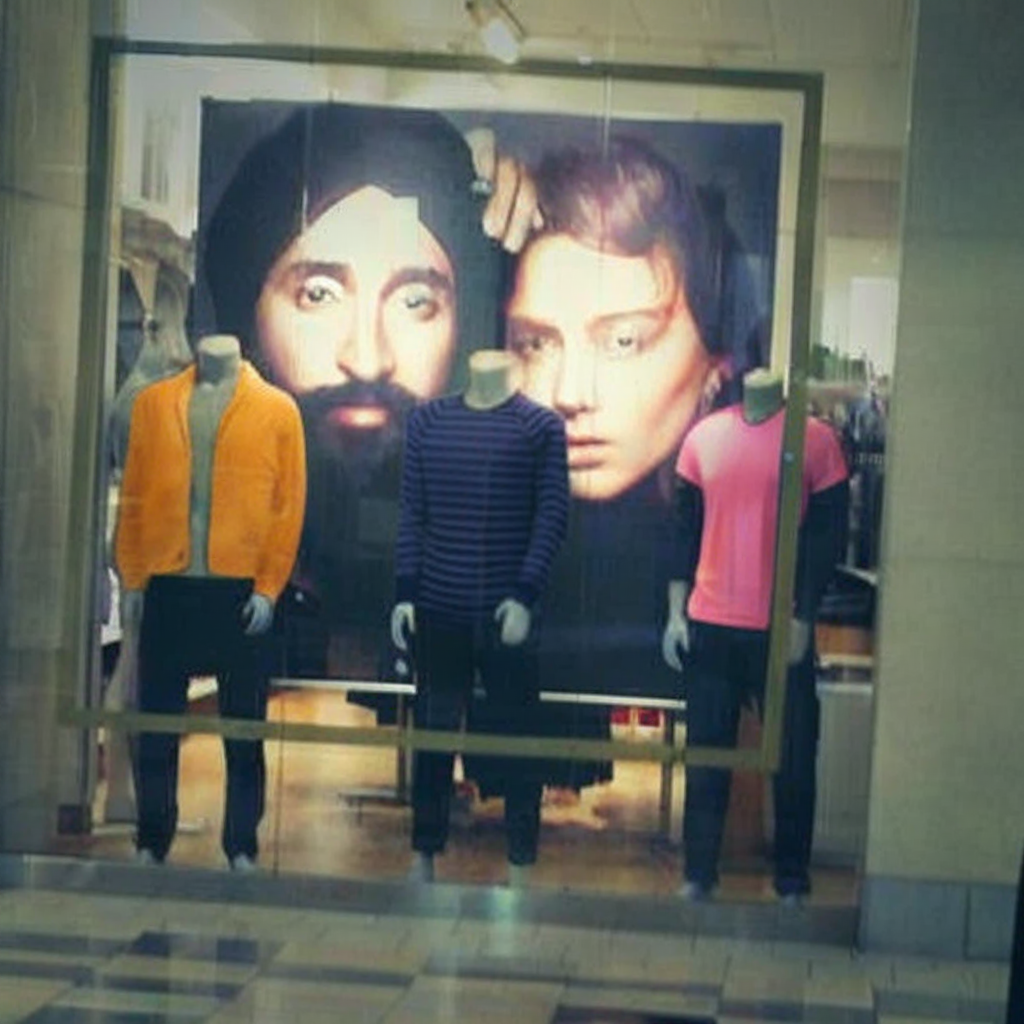
Add soft overhead factory lighting.
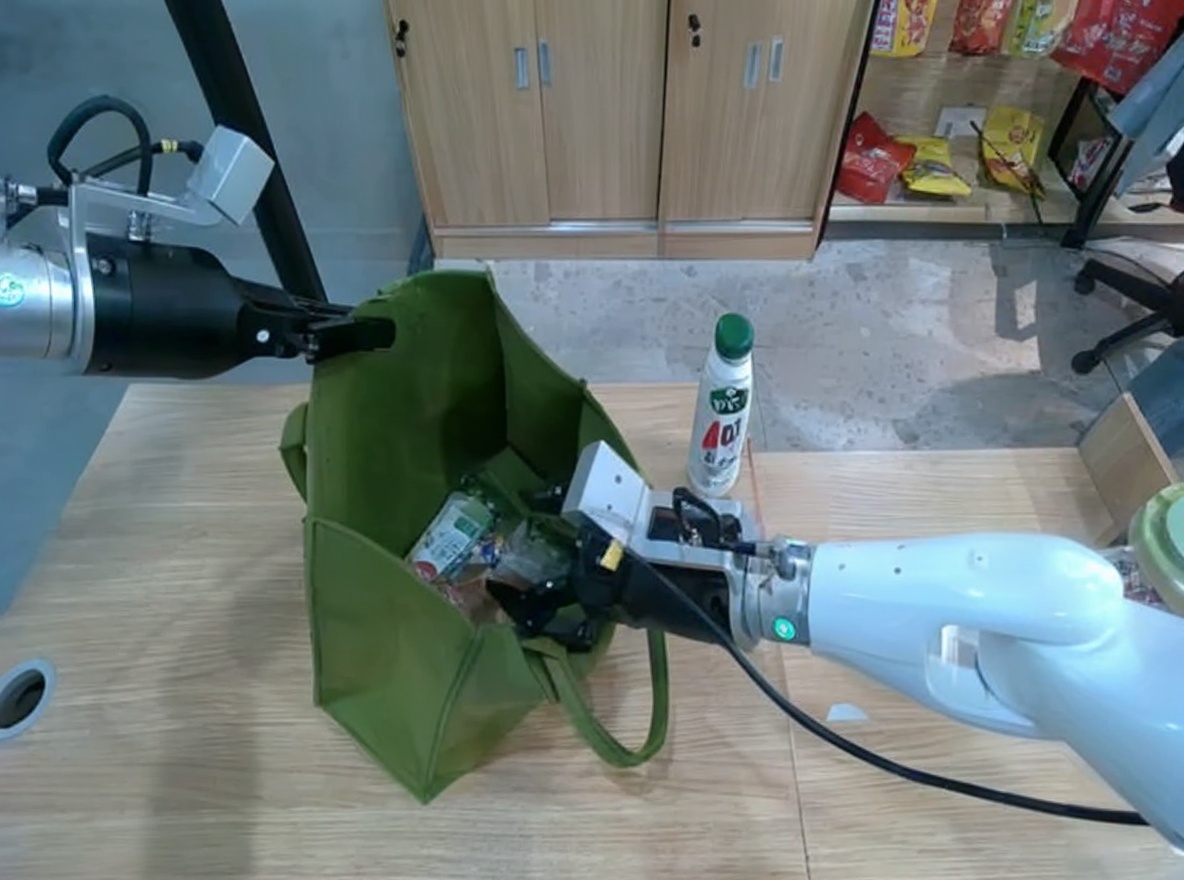
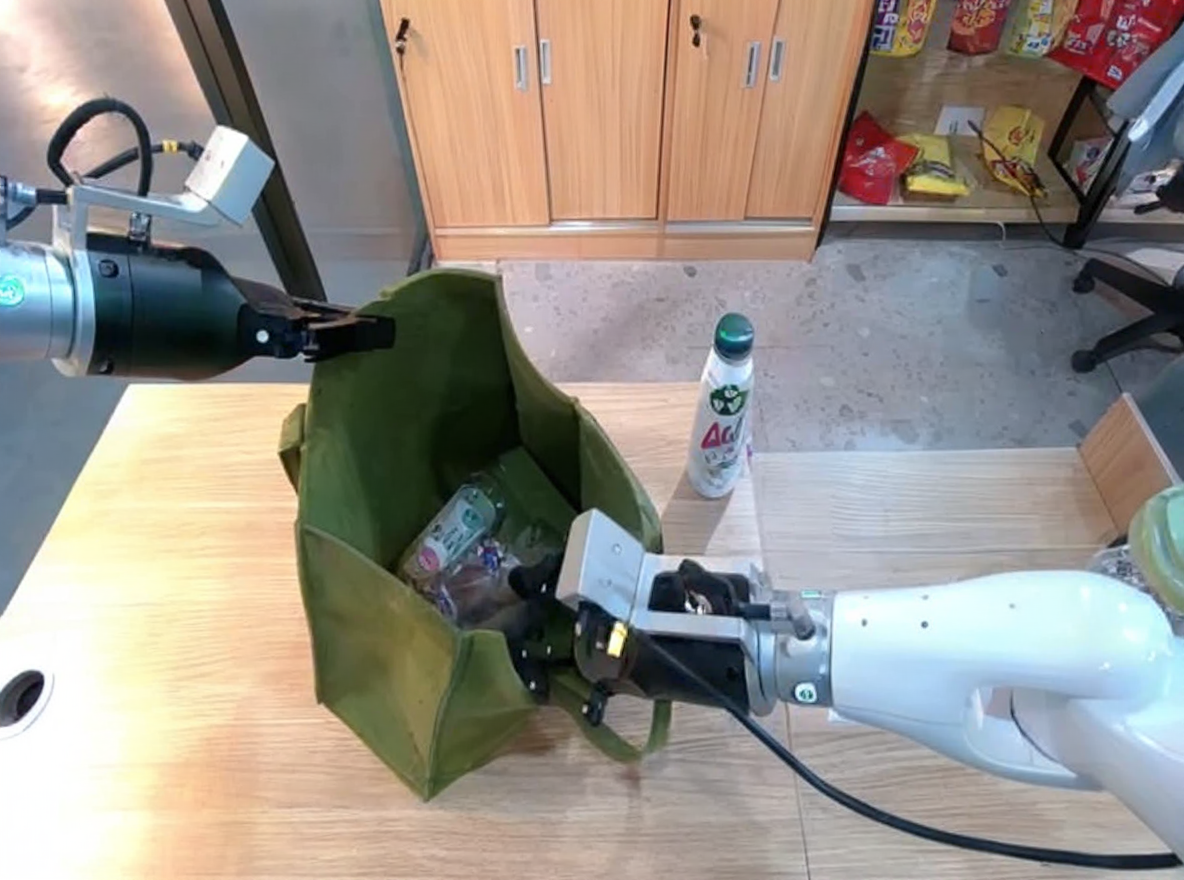
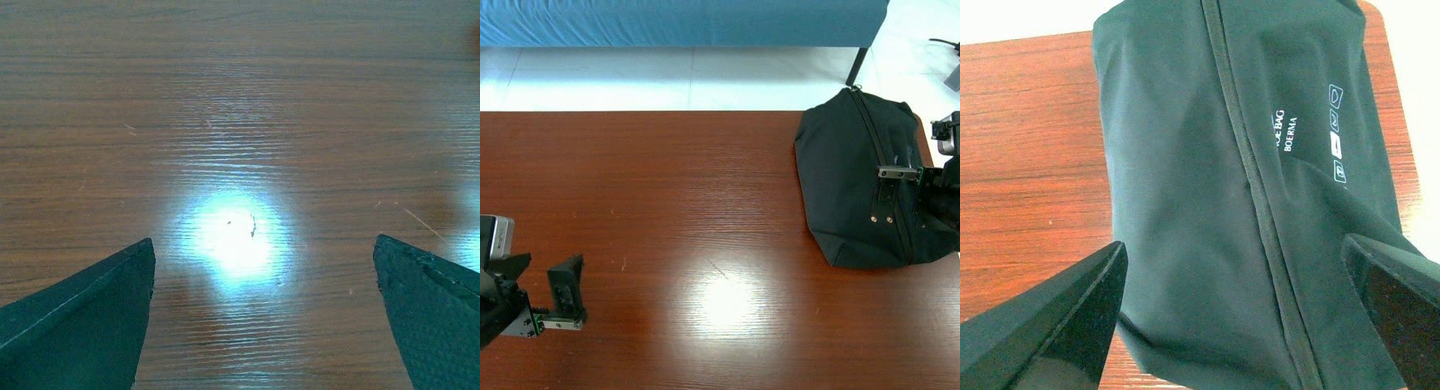
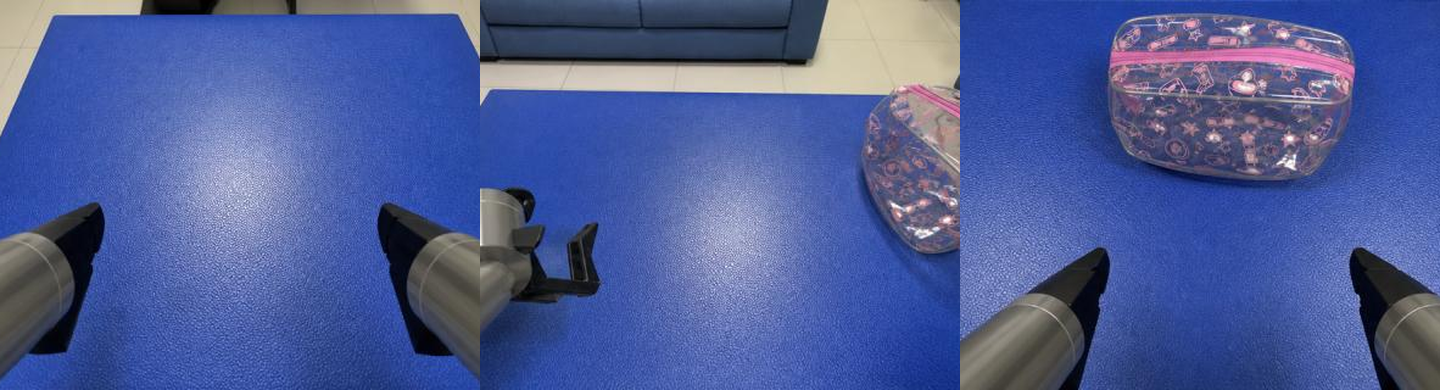
Xiaomi-Robotics-U0-generated style-transfer data is added to real demonstration data for policy post-training, enabling the policy to learn robustness to unseen backgrounds, lighting, and visual interference.
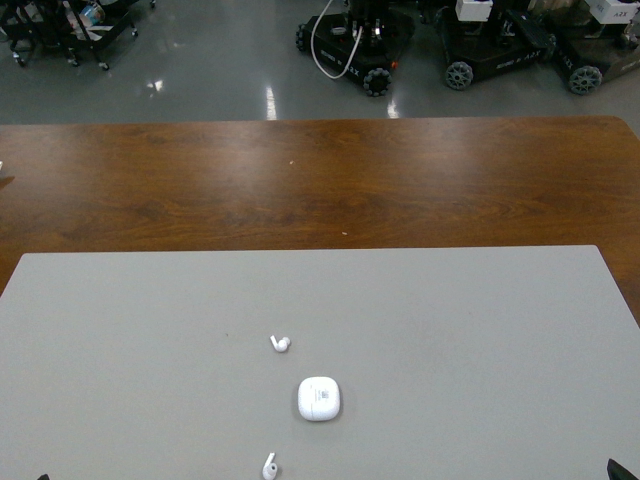
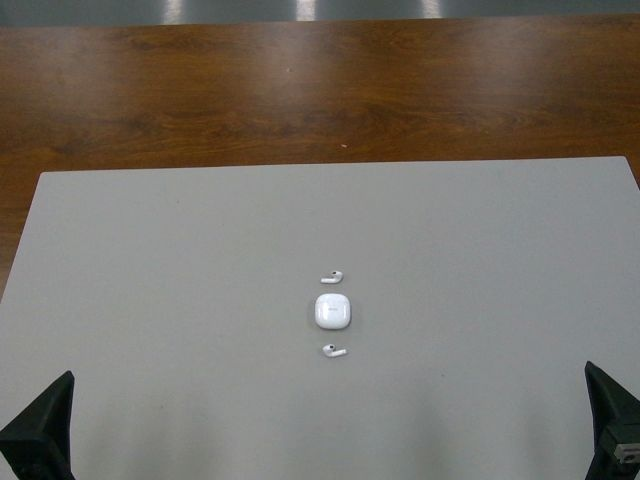
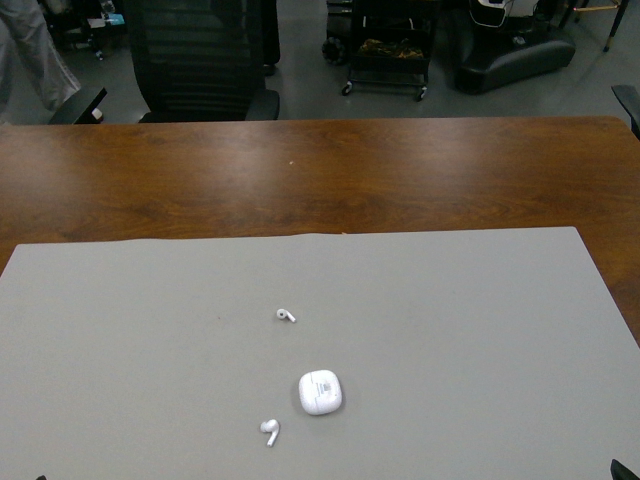


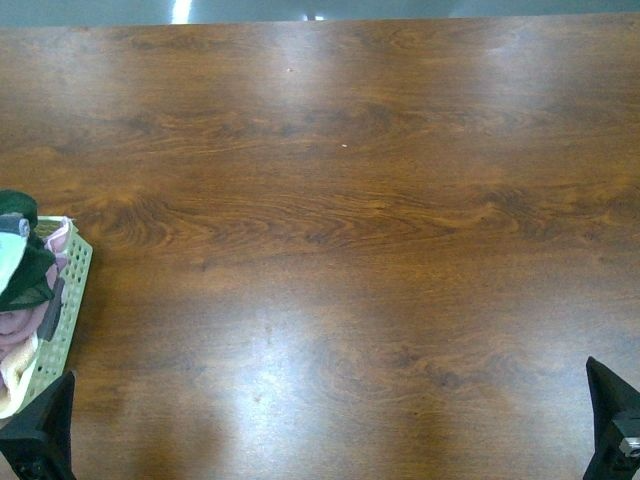
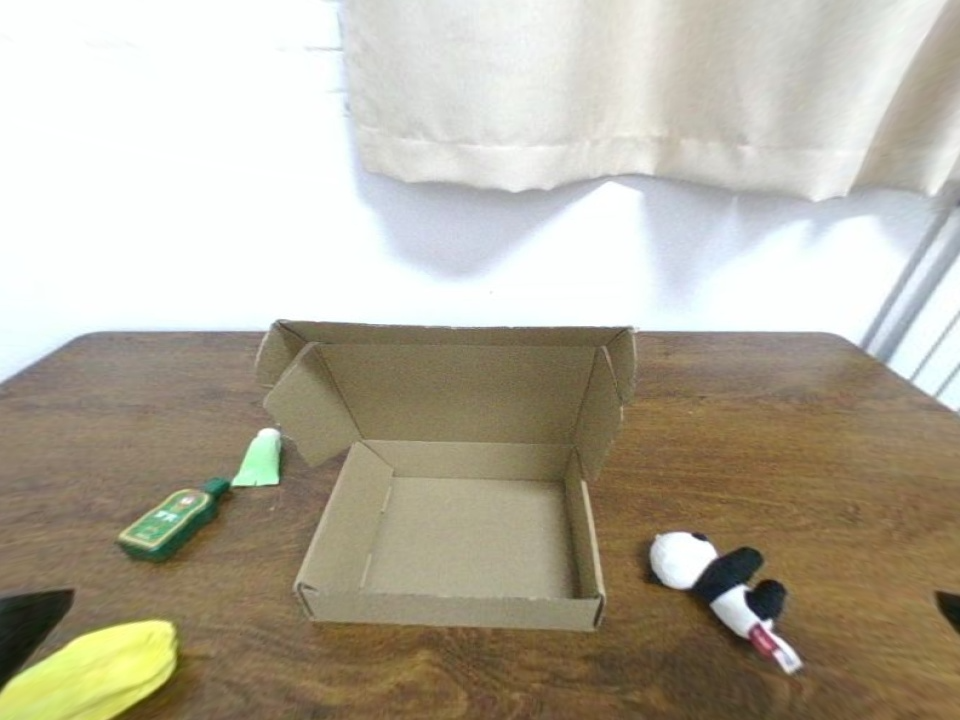
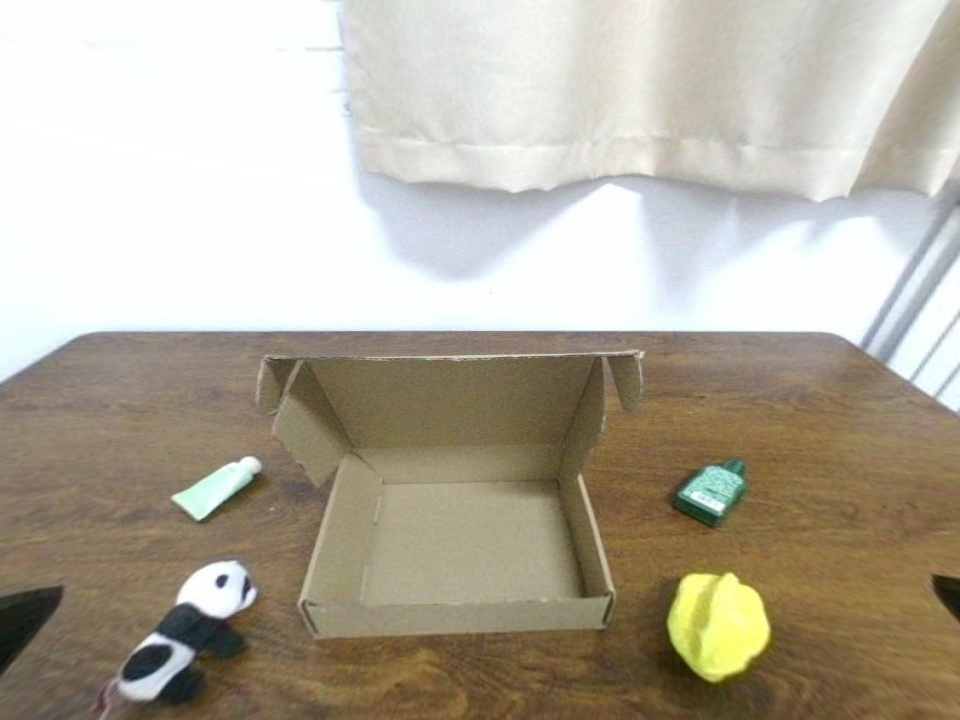
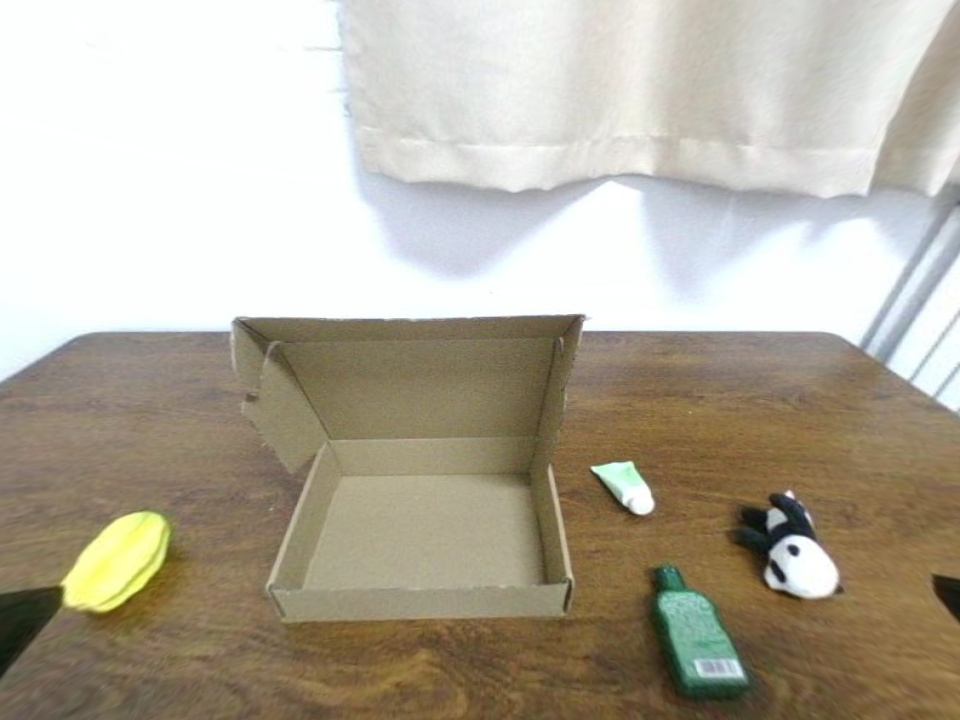
Varying object layouts under nominal lab lighting and seen tablecloths.
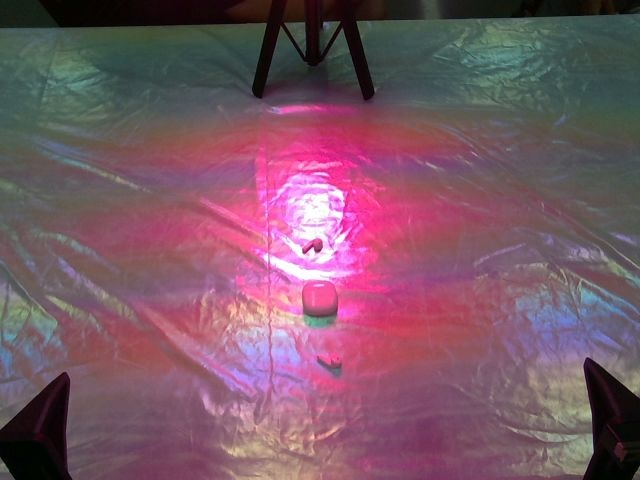
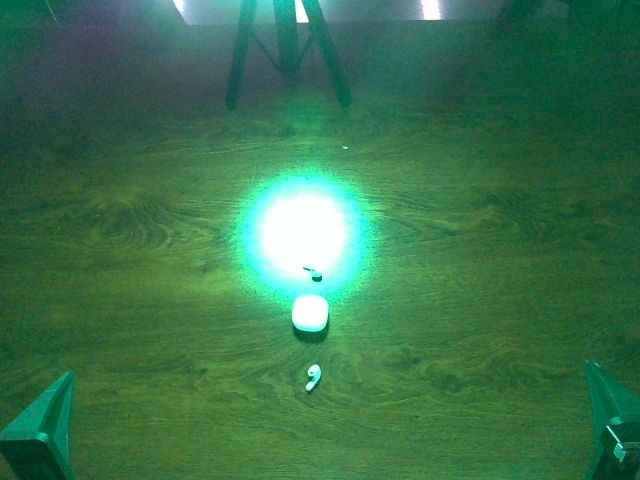
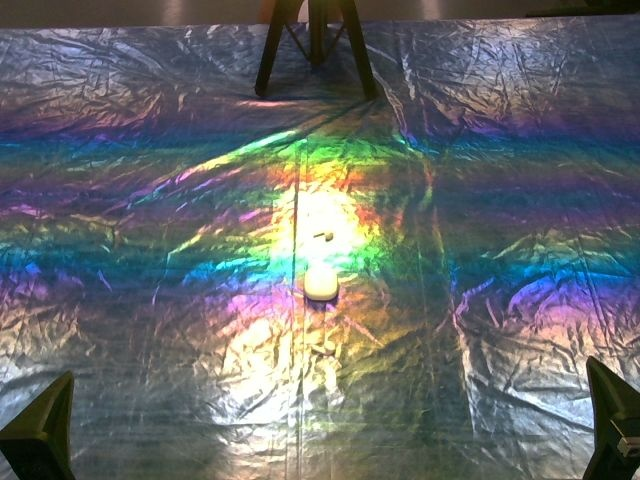
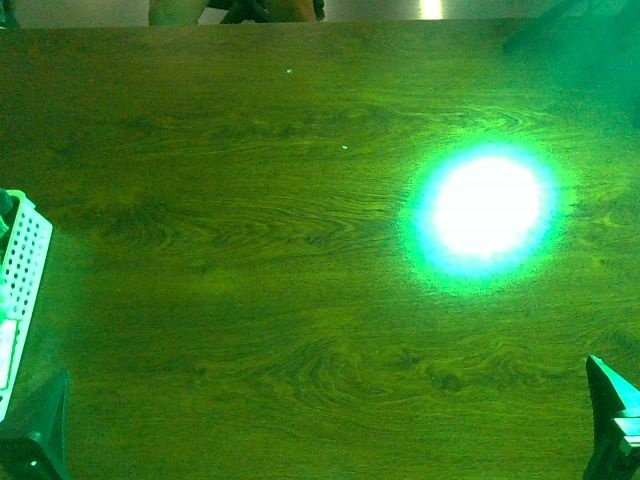
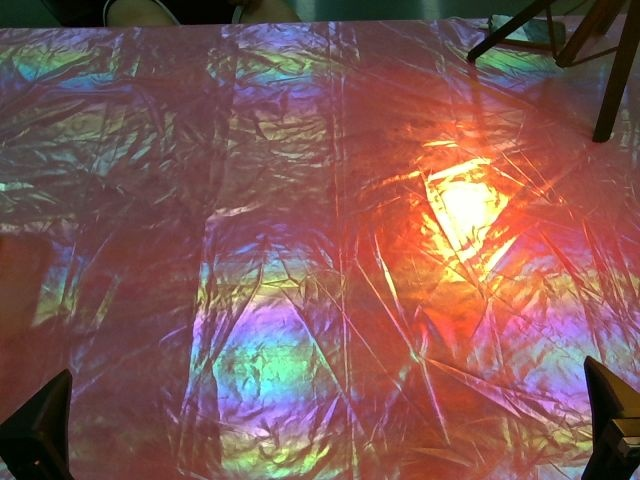
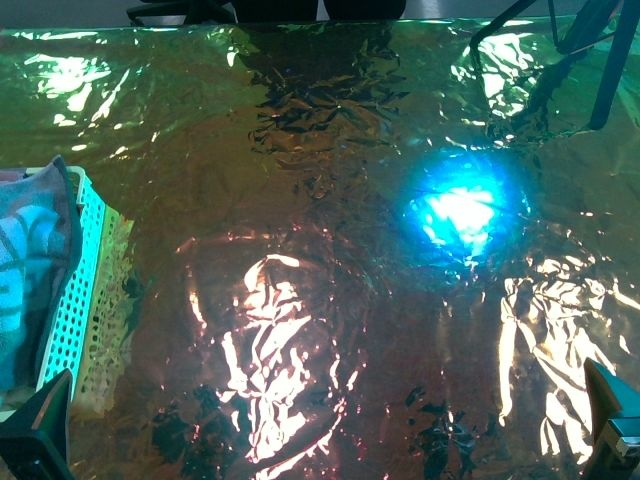
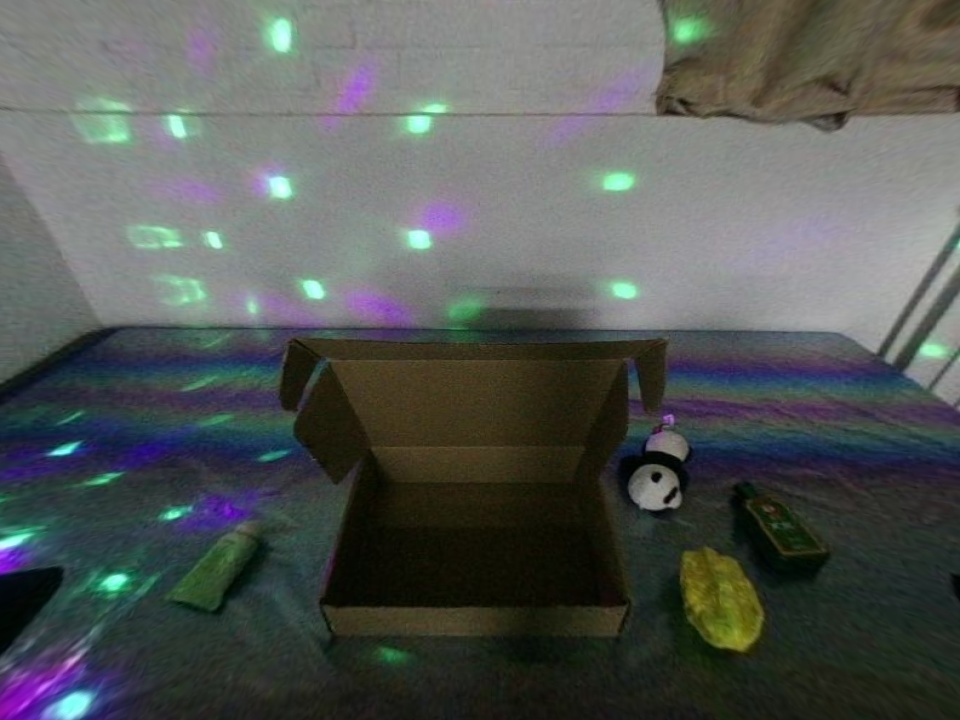
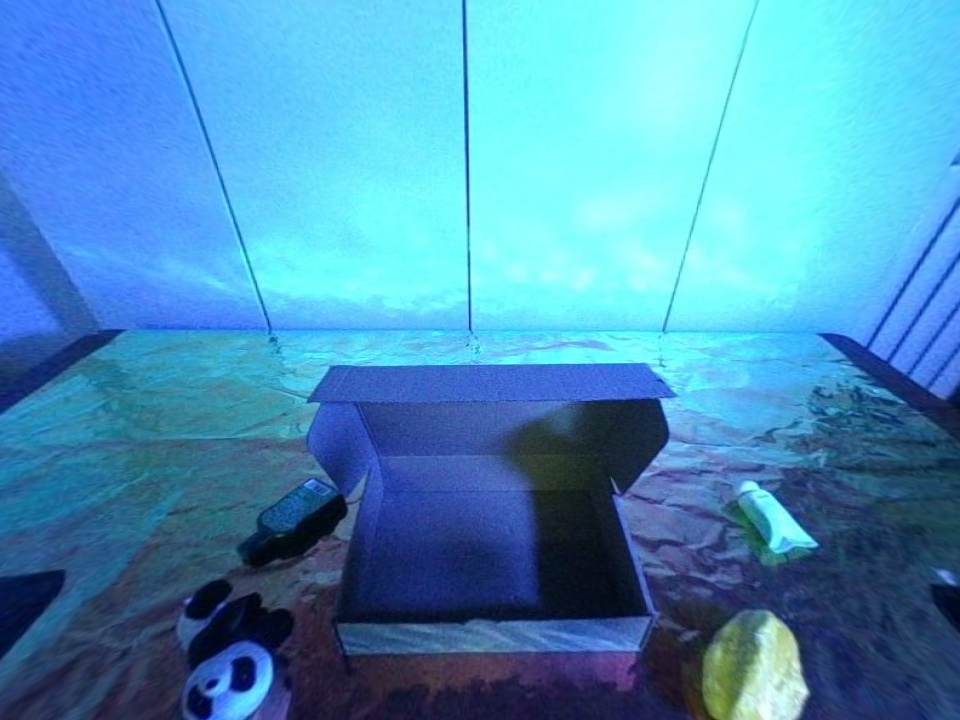
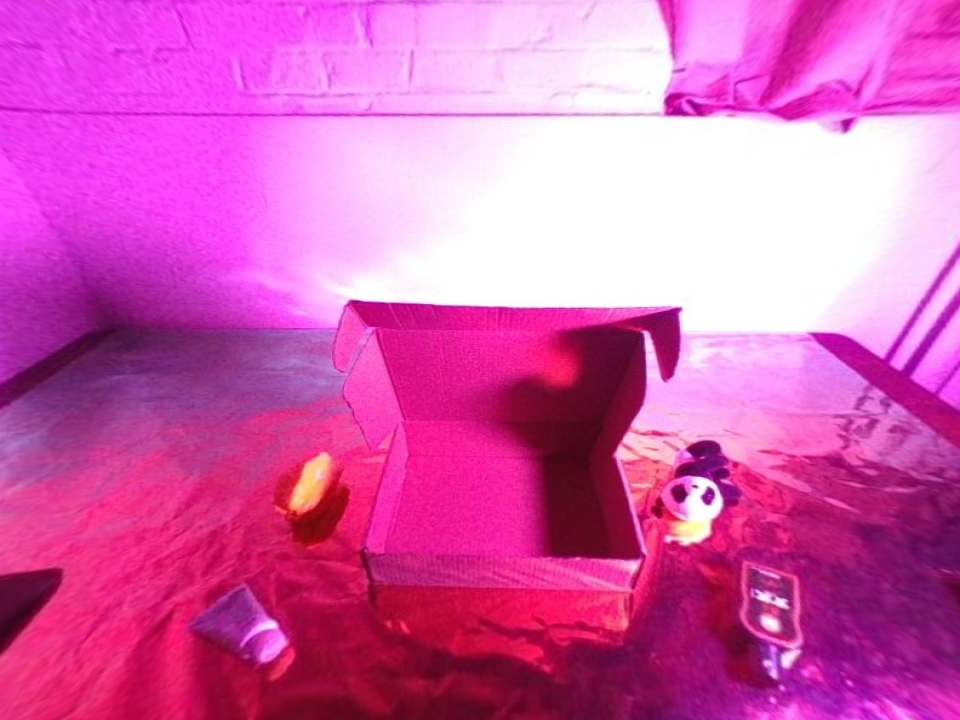
Held-out tablecloths and lighting, including low, colored, and patterned light.
Task Completion Progress (%)
Green Interference Scene
Original
Xiaomi-Robotics-U0-Aug
Pink Interference Scene
Original
Xiaomi-Robotics-U0-Aug
Green Interference Scene
Original
Xiaomi-Robotics-U0-Aug
Pink Interference Scene
Original
Xiaomi-Robotics-U0-Aug
Green Interference Scene
Original
Xiaomi-Robotics-U0-Aug
Blue Interference Scene
Original
Xiaomi-Robotics-U0-Aug
@misc{li2026xiaomiroboticsu0,
  title         = {{Xiaomi-Robotics-U0}: Unified Embodied Synthesis with World Foundation Model},
  author        = {Xinghang Li and Jun Guo and Qiwei Li and Long Qian and Hang Lai and Yueze Wang and Hongyu Yan and Jiahang Cao and Xi Chen and Jingen Qu and Jiaxi Song and Nan Sun and Hanye Zhao and Futeng Liu and Wanli Peng and Heyun Wang and Yunhong Wang and Caoyu Xia and Jack Zhao and Diyun Xiang and Hangjun Ye and Heng Qu and Huaping Liu and Jason Li},
  year          = {2026},
  eprint        = {2607.11643},
  archivePrefix = {arXiv},
  url           = {https://arxiv.org/abs/2607.11643}
}Built upon Qwen3-32B & EMU3.5.
Thanks to all contributors.